


A Utah & Mountain West Perspective
If you live in Utah or the Mountain West, you’ve likely seen it before—greenhouses with yellowed, cracked polycarbonate panels, or entire sections missing after a windstorm. Between intense UV exposure, heavy snow loads, and dramatic temperature swings, greenhouse glazing in this region works especially hard.

The good news? Polycarbonate glazing can be replaced, and when it is, the entire greenhouse often looks and performs like new again—improving light transmission, insulation, and plant health.
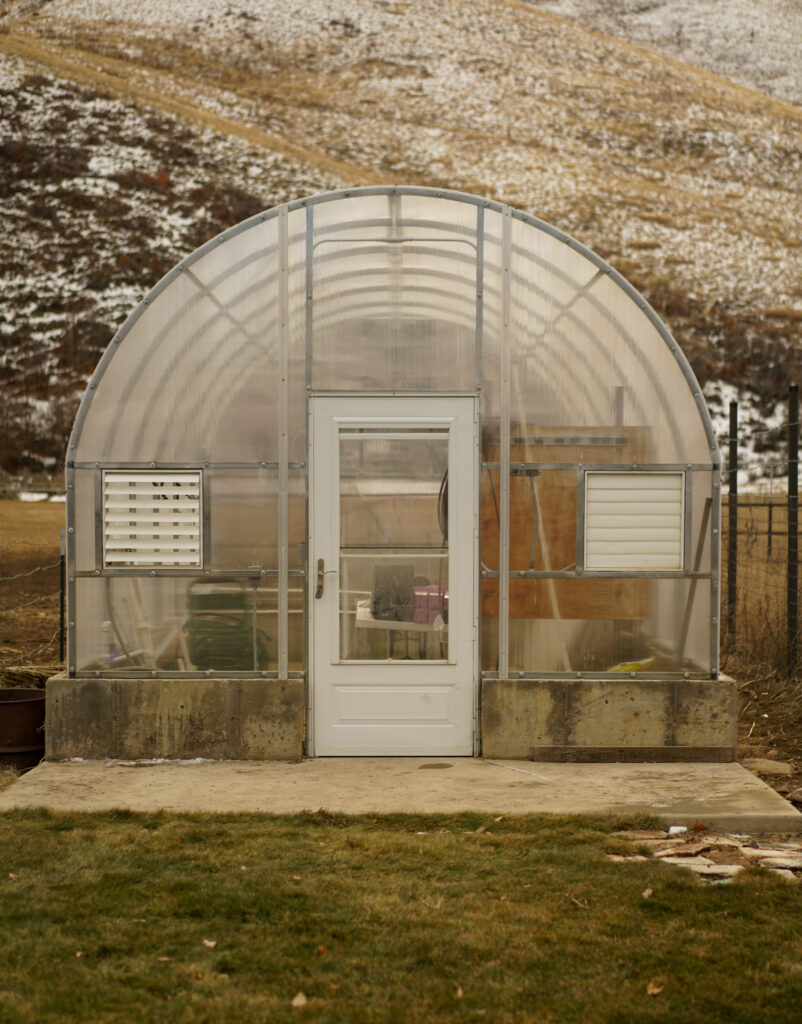
Greenhouses like this are common throughout the Mountain West: old nurseries, aging high-school agriculture programs, and backyard greenhouses that have simply endured decades of weather. Polycarbonate is an excellent material, but even in the best conditions, it doesn’t last forever. So when does it stop performing well in a high-elevation climate, and when does replacement truly make sense?
Common Lifespan of Polycarbonate in Utah & High-Elevation Climates
Polycarbonate is a durable thermoplastic known for its impact resistance and ability to withstand extreme temperatures—an essential quality for greenhouses in Utah and the Mountain West. Most greenhouse polycarbonate panels include a UV-protective coating designed to reduce sun damage.

However, high elevation and intense UV exposure accelerate material breakdown. While most manufacturers offer a 10-year warranty, real-world lifespan in this region typically ranges from 10 to 20 years, depending on material quality, installation, and exposure.
Lower-quality panels—often found in budget greenhouse kits—may begin yellowing or becoming brittle in as little as five years. That’s why we recommend manufacturers who source high-quality, UV-resistant polycarbonate designed for four-season use.
For greenhouse owners in Utah, the question often becomes: If my greenhouse is 15+ years old and still standing, is replacement really necessary?
How Aging Polycarbonate Affects Greenhouses in the Mountain West
Even if your greenhouse is still producing, aging polycarbonate can significantly reduce performance—especially in climates with cold winters and hot summers.
Reduced Light Transmission
As polycarbonate ages, it develops a hazy yellow tint. While sunlight still enters, usable light levels drop. New panels can transmit up to 90% of available sunlight, which is critical during Utah’s shorter winter days. Older panels may block enough light to slow plant growth and reduce yields.
Brittleness, Cracking, and Wind Damage
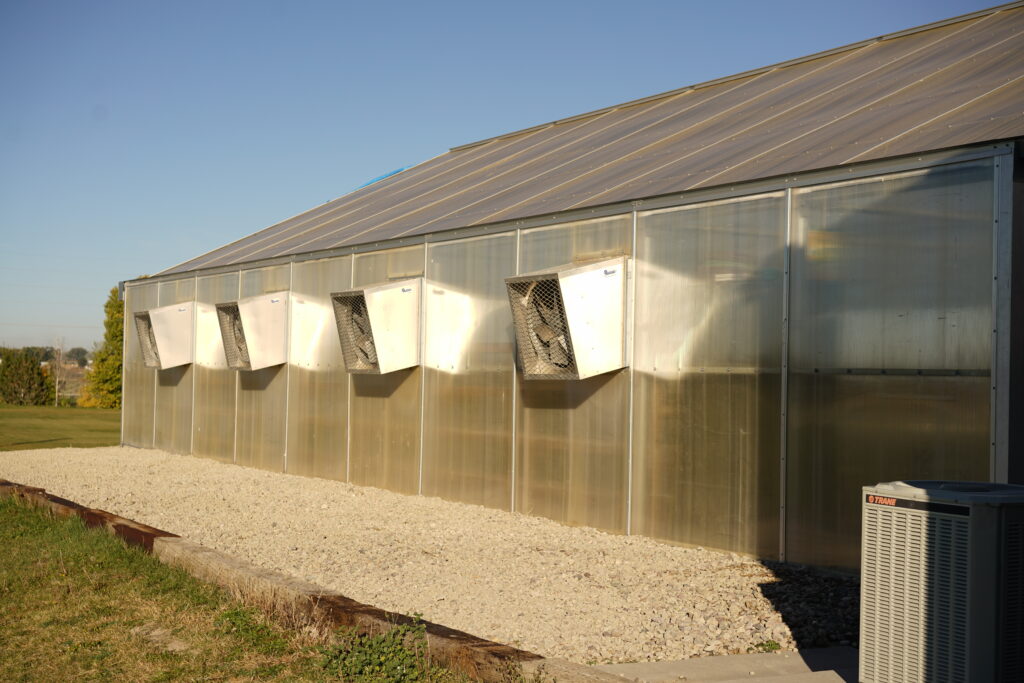
UV degradation causes polycarbonate to become brittle over time. In the Mountain West, this brittleness is often exposed by high winds, heavy snow loads, and freeze-thaw cycles. Panels installed incorrectly—with the UV side facing inward—can fail even faster.
Cracked or brittle panels compromise your ability to maintain a stable greenhouse climate, especially during winter storms.
Loss of Insulation in Cold Winters
Multi-wall polycarbonate is designed to trap heat in its internal air pockets. Once those cells crack or fill with moisture, heat escapes quickly—making winter heating more expensive and less effective in four-season Utah greenhouses.
Algae and Mold Inside Panels
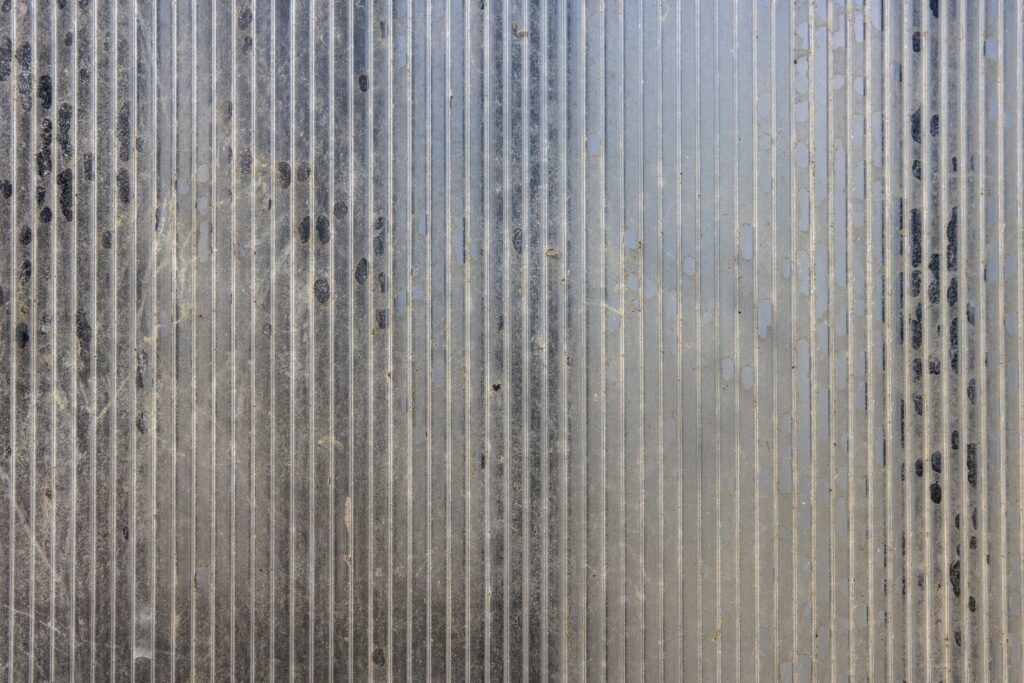
Moisture entering damaged panels can become trapped, leading to algae or mold growth. This further reduces light transmission and negatively affects the internal growing environment.
When and How to Replace Greenhouse Polycarbonate in Utah
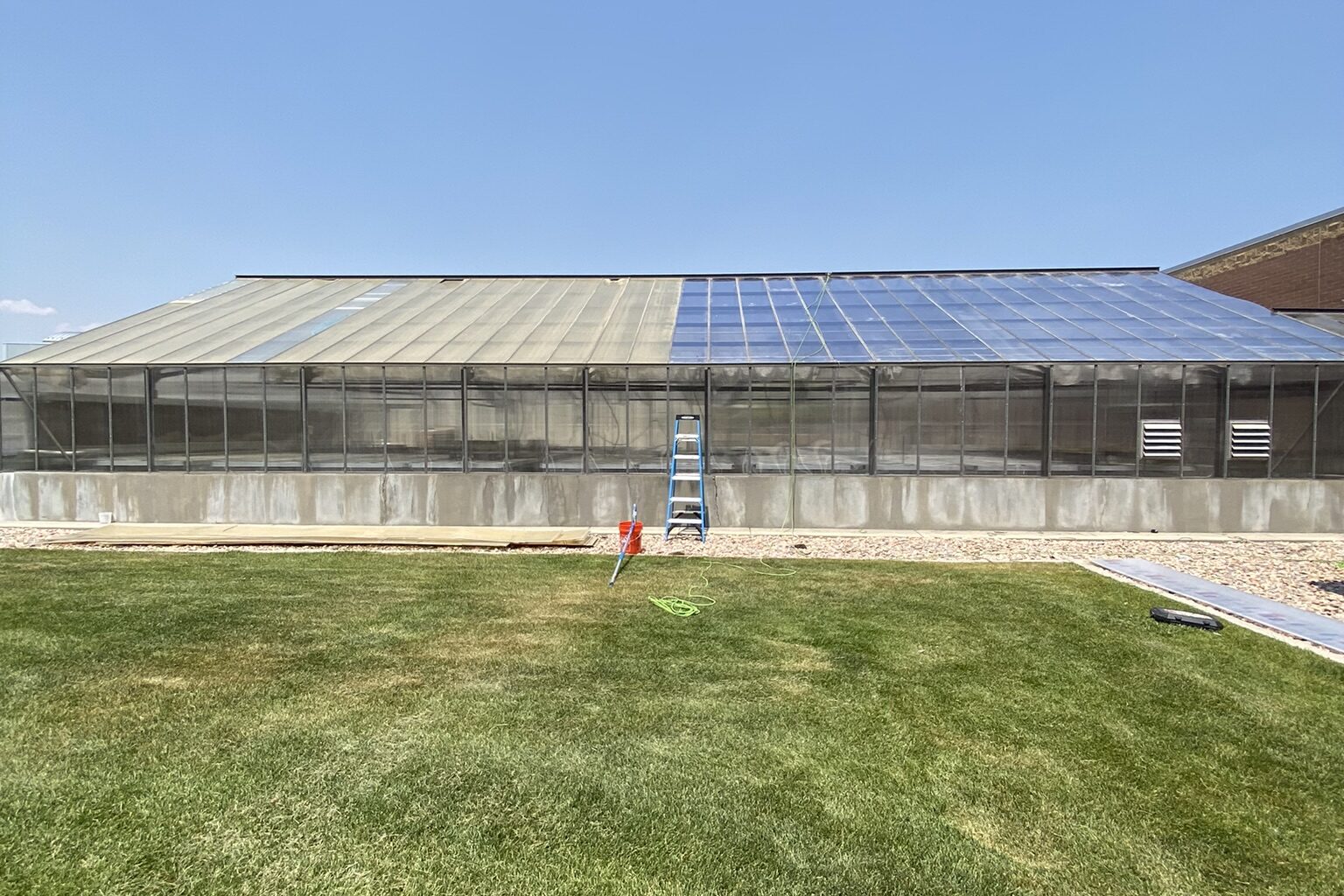
If your greenhouse shows any of the above issues, replacement is usually the most cost-effective long-term solution. Age is another major factor—if your polycarbonate has been installed for 20 years or more, replacement is often overdue, especially in high-elevation climates.
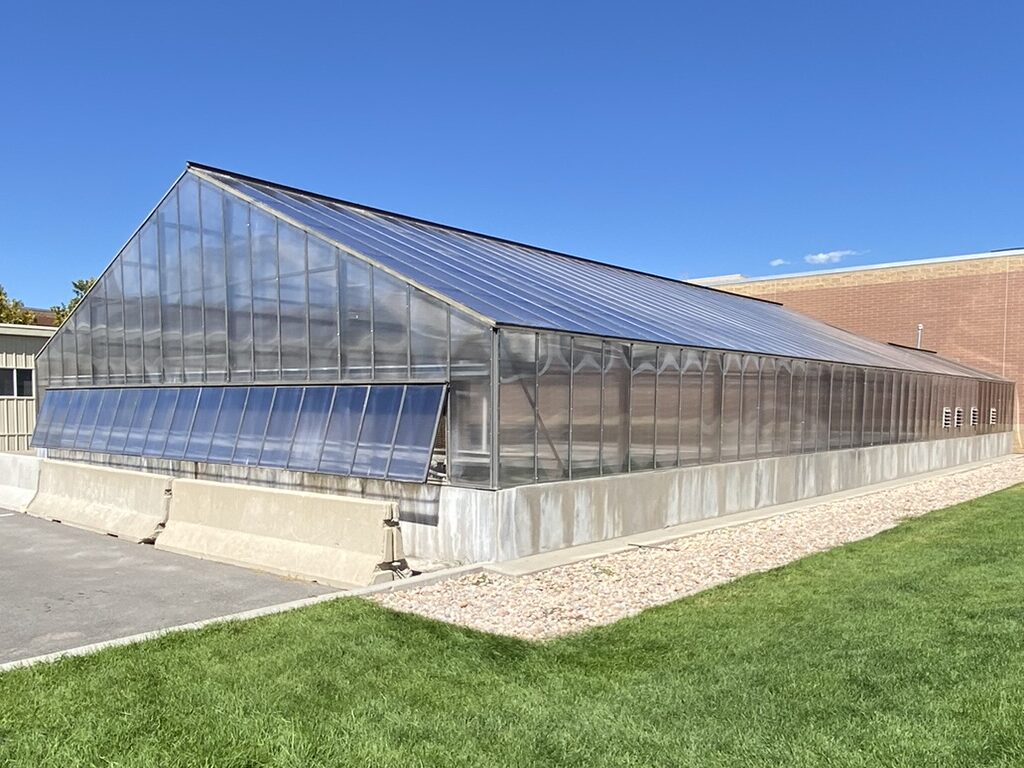
Most greenhouse manufacturers design their structures with future glazing replacement in mind. Common systems include:
- H-channel systems – Available in polycarbonate or aluminum. Polycarbonate channels should be replaced along with the panels, while aluminum channels typically last much longer.
- Base-and-cap systems – Often the easiest to work with, allowing panels to slide out and be replaced with minimal disassembly.
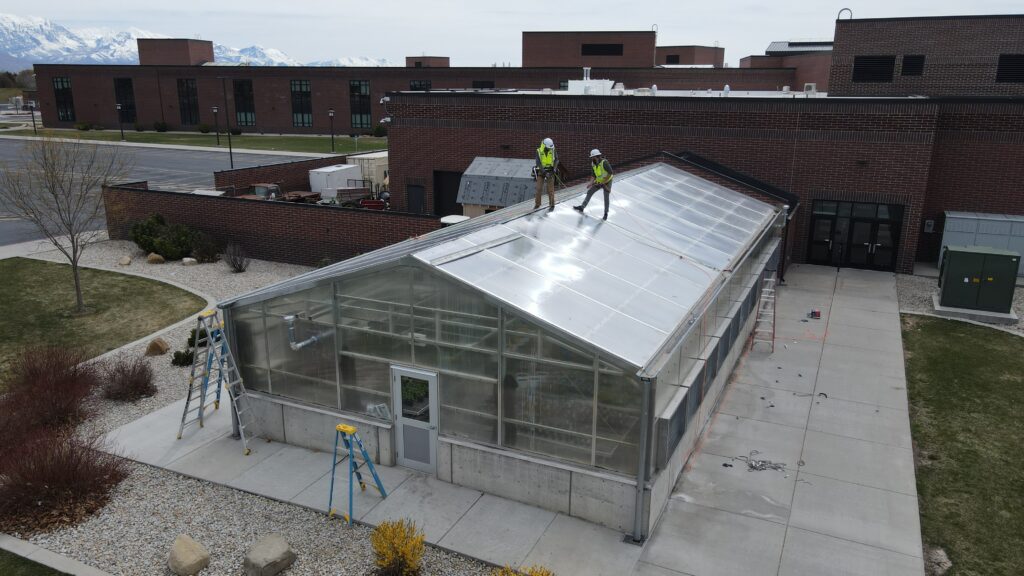
Smaller backyard greenhouses may be manageable as DIY projects, but larger residential or institutional greenhouses often require a professional crew to safely handle panel removal, snow-rated installation, and rooftop work.

At Monarch Greenhouse Solutions, we’ve replaced polycarbonate glazing on greenhouses throughout Utah and the Mountain West and understand how to build for snow, wind, and year-round growing.
Conclusion: Extending the Life of Your Greenhouse in Utah
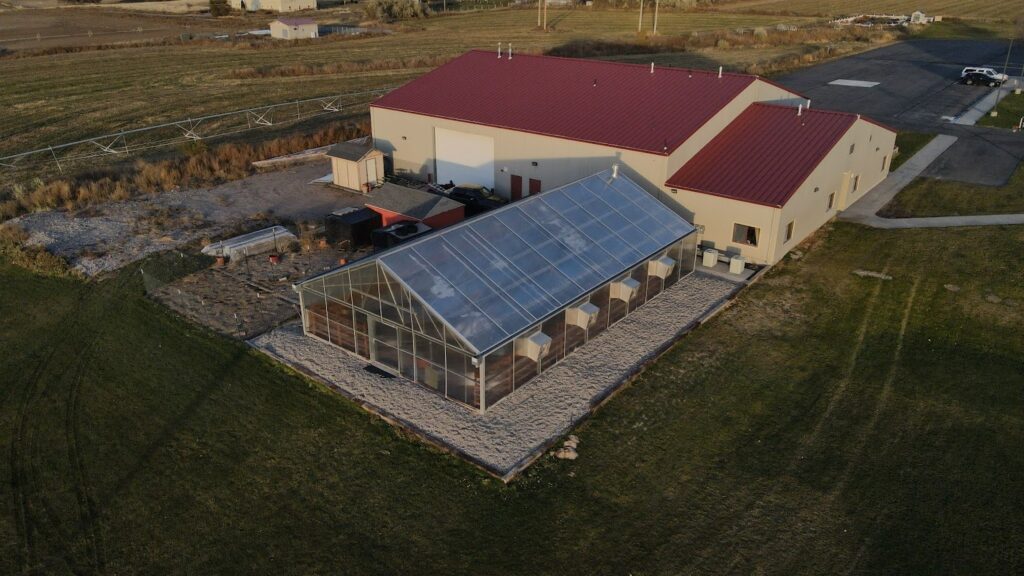
Replacing polycarbonate glazing isn’t just a cosmetic upgrade—it’s a performance improvement that restores light, insulation, and structural reliability. From rooftop safety to sealing against snowmelt and wind-driven rain, we help greenhouse owners protect their investment and extend the life of their structures.
If you’re sourcing replacement polycarbonate, we recommend inquiring with our team for a quote. As dealers, we can often combine Utah-based orders to reduce freight costs. Orders are placed as needed, so reach out to be added to our list.
Thank you for reading! For more guidance on greenhouse ownership in Utah, explore our blog or join our mailing list for expert insights tailored to the Mountain West.
Related Reading: