

For many people, gardening is more than a hobby. It’s a way to cultivate self-sufficiency, grow beautiful and meaningful plants, and maintain a deep connection to nature. But in regions like Utah and the Mountain West, the traditional growing season is short and often unpredictable. Late frosts, early freezes, and dramatic temperature swings can make outdoor gardening feel like a gamble.
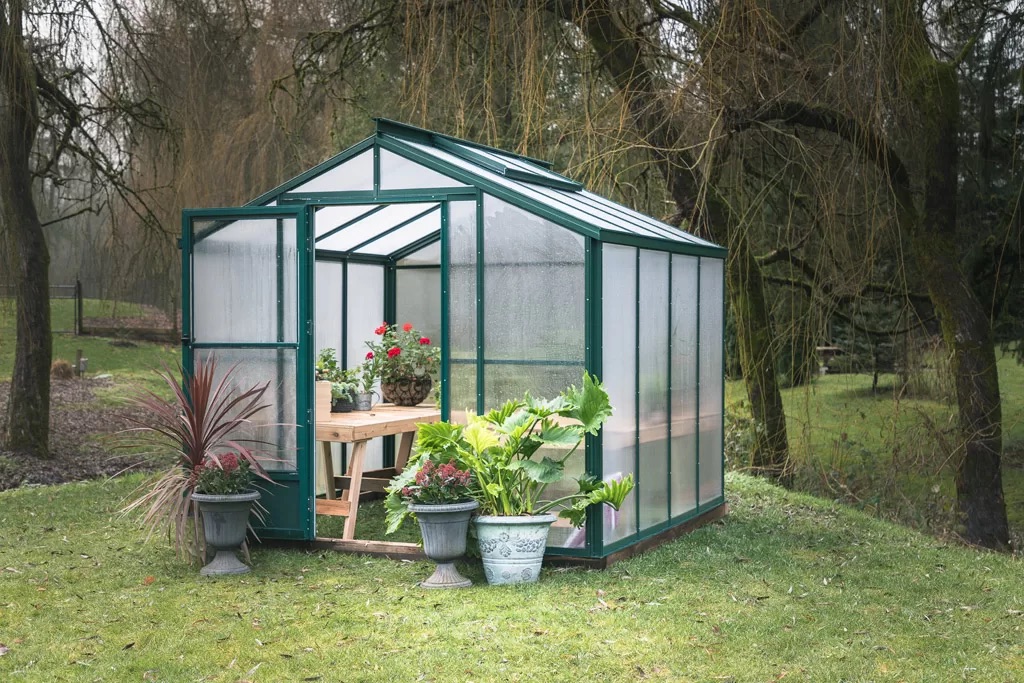
A greenhouse changes that. It gives gardeners control over their environment—allowing them to grow more, grow earlier, and grow longer than they ever could outside. Think tropical fruits in the desert, or fresh, vine-ripened tomatoes in the middle of winter. With the right structure and the right setup, all of this becomes possible.
In this article, we’ll explore what you can grow in a greenhouse—and the accessories that help make greenhouse gardening successful in Utah’s climate.
Start the Season Early
One of the simplest and most impactful ways to use a greenhouse is to start your garden earlier in the year. Utah gardeners are no strangers to late snowstorms or surprise frosts in May, which can delay planting and shrink the harvest window.
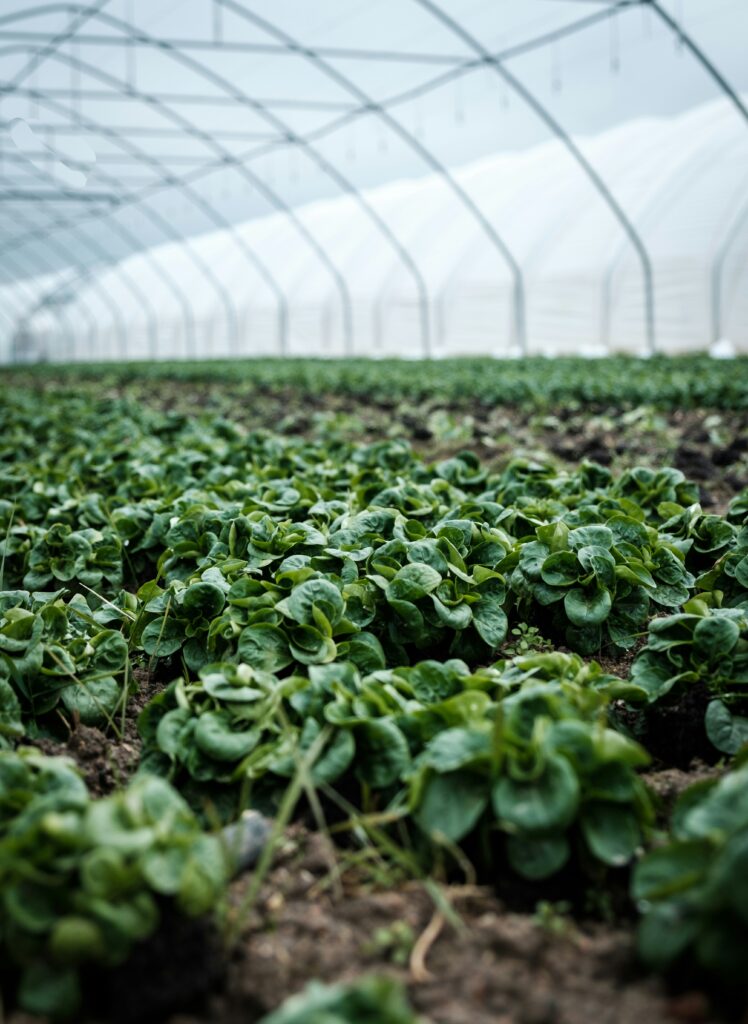
Even a basic greenhouse—without heaters or advanced systems—lets you get a jump on the season. By trapping the sun’s warmth and protecting plants from the elements, a greenhouse gives seedlings the stable environment they need to thrive. And if you have a more insulated structure, you can even overwinter hardy greens like lettuce and spinach.
Easier Crops to Grow
Many crops do exceptionally well in greenhouses with very little effort. These include:
- Microgreens
- Leafy greens (lettuce, spinach, arugula)
- Radishes
- Carrots
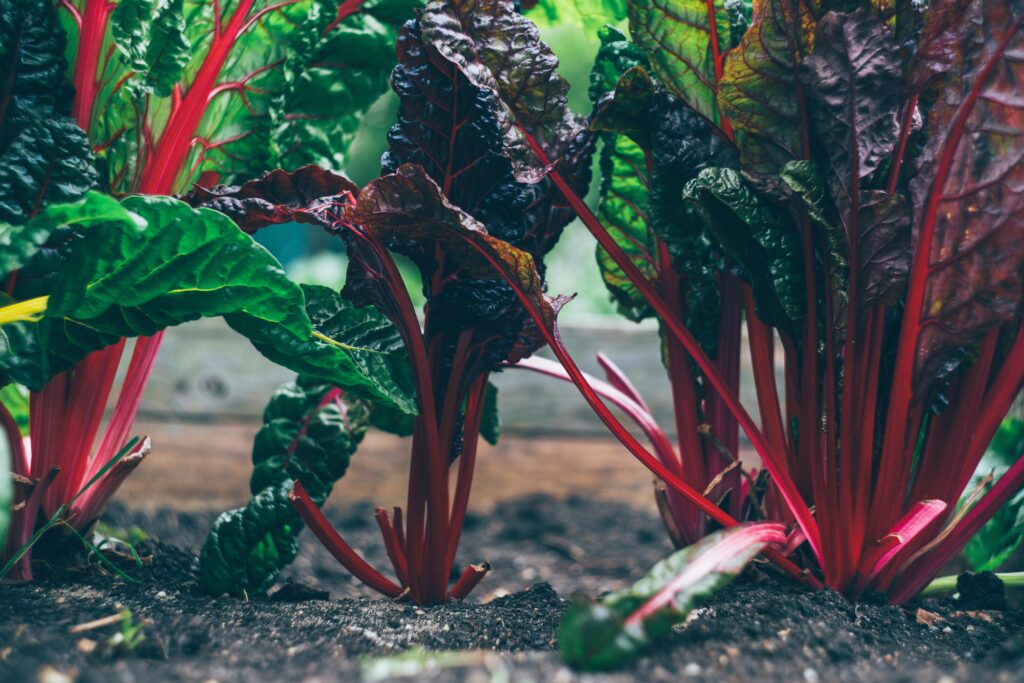
- Beets
- Turnips
- Broccoli
- Cabbage
- Other cool-season vegetables
These plants generally tolerate wide conditions and don’t demand complex climate control—just consistent temperatures without extreme day-to-night swings.
Microgreens and radishes have particularly fast turnaround times, making them ideal for year-round production, even in winter. The only major consideration for this group is space: while most can grow in the ground or in trays, carrots require deeper soil for strong root development.
Moderate-Effort Crops to Grow
Some plants do well in greenhouses but require a bit more attention:
- Peas
- Kale
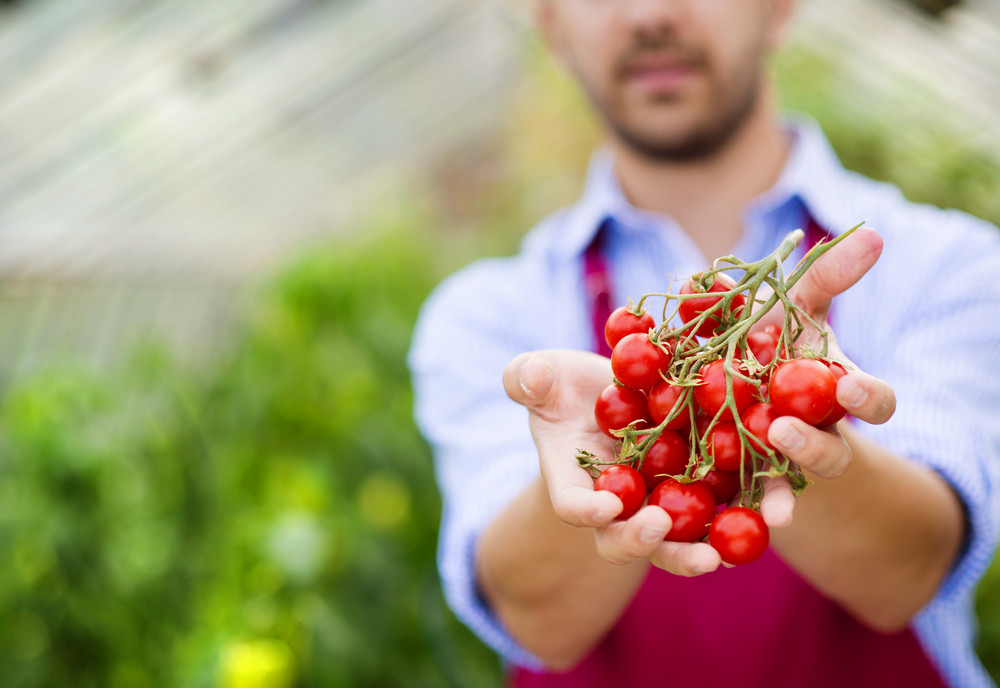
- Tomatoes
- Peppers
Peas and kale thrive in cooler weather, but they need space—and in the case of peas, trellising. They can also be sensitive to early or late temperature swings.
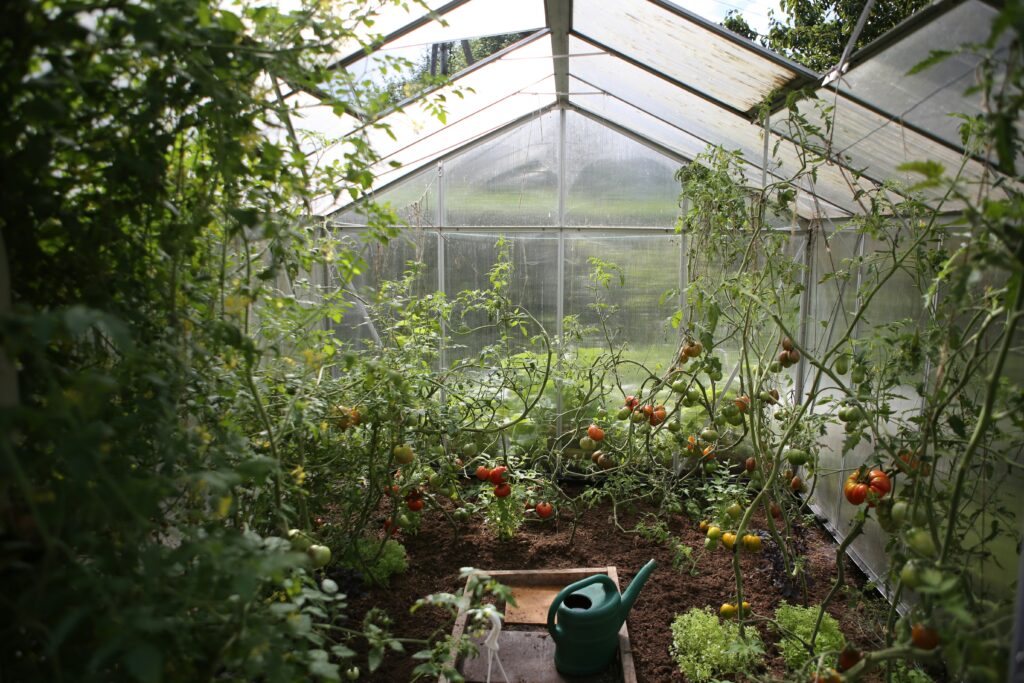
Tomatoes and peppers are more demanding. They’re sensitive to temperature inconsistencies and need consistent warmth to produce well. In Utah’s hot summers, shading systems become essential to prevent excess heat and blossom drop. Peppers also take longer to mature, so starting them early inside your greenhouse is key.
Harder, More Specialized Crops
A few greenhouse crops require more effort and infrastructure:
Cucumbers and Vining Cucurbits
These plants need trellising, consistent moisture, and plenty of heat. Managing humidity—especially in Utah’s dry climate—is an extra challenge.
Squash and Melons
These can be difficult due to their space needs and pollination requirements. Many growers end up hand-pollinating to ensure fruit set. They also require a warm, stable environment.
Tropical Fruits
Citrus, figs, avocados, and similar plants can grow beautifully—if you have the right setup. A geothermal greenhouse or walipini-style (earth-sheltered) structure can maintain the warmth and humidity these plants need, even through Mountain West winters.
What Our Customers Are Growing
We’ve had the privilege of building greenhouses for customers growing a wide range of crops—everything from basic salad greens to full-on tropical collections.
One customer in northern Idaho uses his 42′ Growing Dome to produce peppers, tomatoes, lettuce, spinach, and even avocados. Another client in Salt Lake City grows tropical fruits in the summer and vegetables in the winter. Many Utah families use their greenhouses to improve their self-reliance, growing the produce they depend on year-round.
A greenhouse doesn’t just extend your growing season—it expands what’s possible.
Accessories for a Successful Greenhouse Garden
While Utah’s climate can be challenging, the right accessories make a greenhouse efficient, stable, and productive.
Insulation
In a greenhouse, the type of glazing you choose makes a big difference in how well it holds heat. Twinwall or multiwall polycarbonate is especially effective, letting sunlight in while keeping warmth inside. Glass and polyethylene film are also good options, depending on your goals and budget.
Ventilation
Good airflow prevents overheating and keeps plants healthier. Look for greenhouses with roof vents and side vents—or add them to an existing structure. Exhaust fans, louver vents, and horizontal airflow (HAF) fans are excellent upgrades that help regulate temperature and humidity year-round.
Shading
Shading is essential during Utah’s intense summer sun and can even help retain heat during winter. Shade cloth minimizes leaf burn and reduces heat stress—especially in glass greenhouses that can act like magnifying lenses.
Secondary Heat Sources
If you want to grow year-round, a secondary heat source is often necessary. Thermal mass (like water barrels, stone, or concrete) helps store heat, but an active heater provides the reliability most growers want. This may require electrical or gas utilities in your structure.
So… What Will You Grow First?
Greenhouses make gardening more reliable, more enjoyable, and far more productive—especially in Utah’s unpredictable climate. With the right structure and accessories, you can grow nearly anything you want, when you want it.
If you’re ready to take control of your gardening environment and extend your growing season, reach out today. We’ll help you design a greenhouse built not just for your plants, but for a lifetime of growing.
Learn more
For a more detailed list of greenhouse-friendly vegetables and varieties, check out this helpful resource from Sierra Greenhouse—click here!
Read our blog about glazing types and properties here!