


Dreaming of a Year-Round Greenhouse? Build It Right the First Time.
A residential greenhouse is one of the most rewarding additions you can make to your property.
Morning coffee under citrus trees in January. Fresh greens while snow falls outside. A private retreat that extends your living space into every season.
But here’s what most homeowners don’t realize:
The difference between a greenhouse that becomes a year-round sanctuary and one that turns into an expensive shed often comes down to a handful of decisions made long before the first piece of glass goes in.
After building and repairing greenhouses throughout the Mountain West, we’ve seen the same issues surface again and again. The good news? Nearly all of them are preventable.
Below are the most common greenhouse construction mistakes — and how to avoid them.
1. Treating a Greenhouse Like a Shed Instead of a System
Common mistake: Designing the structure first and figuring out heating, ventilation, and irrigation later.
A greenhouse is not just a building. It’s a controlled environment. Structure and systems must work together.
When heating is an afterthought, airflow is improvised, or irrigation is added late in the process, performance suffers. You end up chasing temperature swings instead of managing them.
What to do instead:
Design the greenhouse as a complete environmental system from day one. Structural engineering, glazing choice, heating load calculations, ventilation strategy, and irrigation planning should be integrated — not layered on later.
When done properly, everything works together quietly in the background, allowing you to simply enjoy the space.
2. Poor Orientation and Site Planning
Common mistake: Placing the greenhouse wherever it “fits” on the property.
Orientation determines whether your greenhouse works with the sun, or fights it year-round.
In the Mountain West, we deal with:
- Intense summer solar gain
- Low winter sun angles
- High winds
- Heavy snow loads
- Significant day-night temperature swings
Ignoring these factors can lead to overheating, uneven light distribution, wind stress, and structural strain.
What to do instead:
Evaluate:
- True solar orientation (not just compass direction)
- Winter sun angles for optimal cold-season gain
- Prevailing wind exposure
- Snow drifting patterns
- Natural shading opportunities
Thoughtful placement reduces mechanical load, lowers operating costs, and dramatically improves plant performance.
3. Undersized Heating and Inadequate Ventilation
Common mistake: Sizing heating systems for average temperatures instead of design lows.
In places like Utah, the difference between 35°F and -5°F isn’t theoretical, it happens. If your system is undersized, you won’t just stress plants. You risk a complete loss event.
Ventilation failures are just as common. Relying solely on passive vents or underpowered fans can create hot zones, stagnant air, and humidity problems.
What to do instead:
- Size heating for true design-low temperatures.
- Build in redundancy where appropriate.
- Incorporate active ventilation and circulation.
- Design for air movement, not just temperature control.
Reliable systems protect your plants, your investment, and your peace of mind.
4. Choosing Materials Based on Price Alone
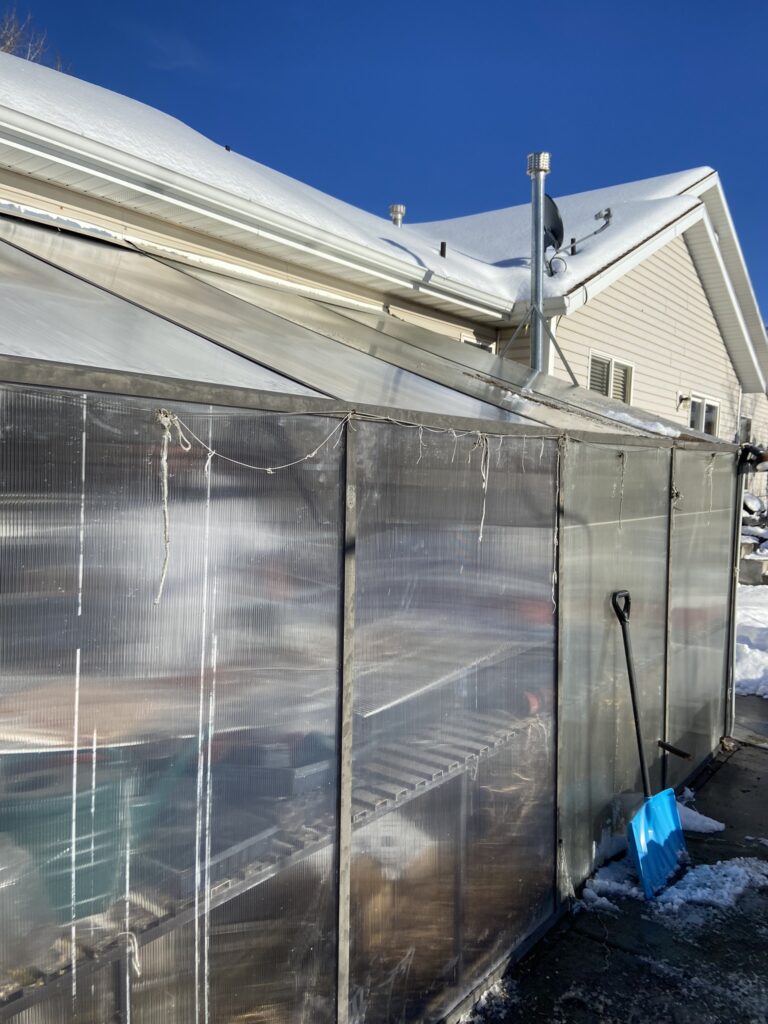
Common mistake: Selecting framing, glazing, or hardware primarily based on upfront cost.
We often see:
- Lightweight frames not engineered for regional snow loads
- Glazing that yellows, cracks, or loses efficiency
- Hardware that corrodes in humid environments
- Foundations that shift or settle
The upfront savings often disappear the first time a heavy storm rolls through.
What to do instead:
- Engineer for your specific climate.
- Choose glazing that balances light transmission and insulation value.
- Be sure to install it correctly
- Be sure to install it correctly
- Prioritize corrosion-resistant hardware.
- Invest in proper foundations and anchoring systems.
Durability is not a luxury feature. It’s foundational to long-term performance.
5. Skipping Long-Term Maintenance Planning
Common mistake: Designing for installation day, not year five.
We frequently repair greenhouses that lack:
- Proper drainage
- Accessible service clearances
- Winterization strategies
- Moisture management planning
A greenhouse is a high-humidity environment by nature. Without forethought, corrosion and deterioration can quietly take hold.
What to do instead:
- Design accessible mechanical spaces.
- Plan drainage intentionally.
- Consider how irrigation systems will be serviced.
- Select materials suited for sustained humidity.
A well-built greenhouse should age gracefully, not deteriorate quietly.
6. Underestimating Climate-Specific Engineering
Common mistake: Using generic greenhouse kits without regional adaptation.
What works in mild coastal climates may fail in high-altitude, high-wind, or heavy-snow regions.
Engineering must account for:
- Structural snow loads
- Wind uplift
- Thermal expansion
- Freeze-thaw cycles
Without this level of planning, performance becomes unpredictable.
What to do instead:
Work with a design team that understands your specific climate zone and engineers accordingly. Climate-responsive design isn’t an upgrade — it’s a requirement for year-round success.
The Bigger Pattern: Most Greenhouse Problems Start at the Design Stage
Very few greenhouse failures happen because of one dramatic mistake.
Most happen because small decisions were made without a cohesive plan.
- Heating sized independently of glazing performance
- Orientation chosen without solar modeling
- Materials selected without structural engineering
- Systems layered instead of integrated
When design is fragmented, performance becomes inconsistent.
When design is cohesive, the greenhouse feels effortless.
What Building It Right Looks Like
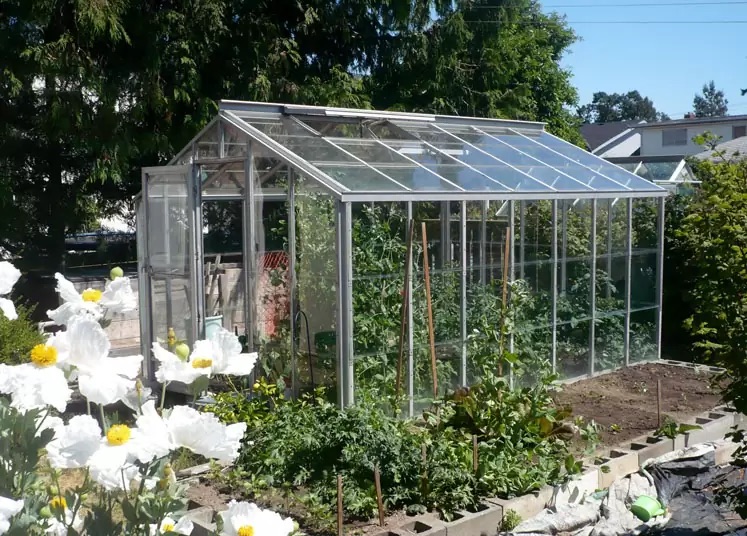
A properly designed residential greenhouse includes:
- Climate-specific structural engineering
- Integrated heating and ventilation systems
- Thoughtful solar orientation
- Durable, long-term materials
- Serviceable mechanical design
- A clear plan for maintenance and longevity
The result isn’t just better plant growth.
It’s stability. Predictability. Resilience.
It’s a space that performs quietly in the background while you enjoy the lifestyle it makes possible.
Build a Greenhouse That Enhances Your Life — Not One You Have to Constantly Fix
A well-designed greenhouse doesn’t just grow plants.
It grows independence. Extends seasons. Creates daily ritual. Strengthens your connection to home.
And when built correctly, it becomes one of the most rewarding investments on your property.
If you’re considering building a greenhouse, start with a design-first approach. The decisions made early will determine whether your greenhouse thrives for decades — or becomes a constant project.
Learn More