
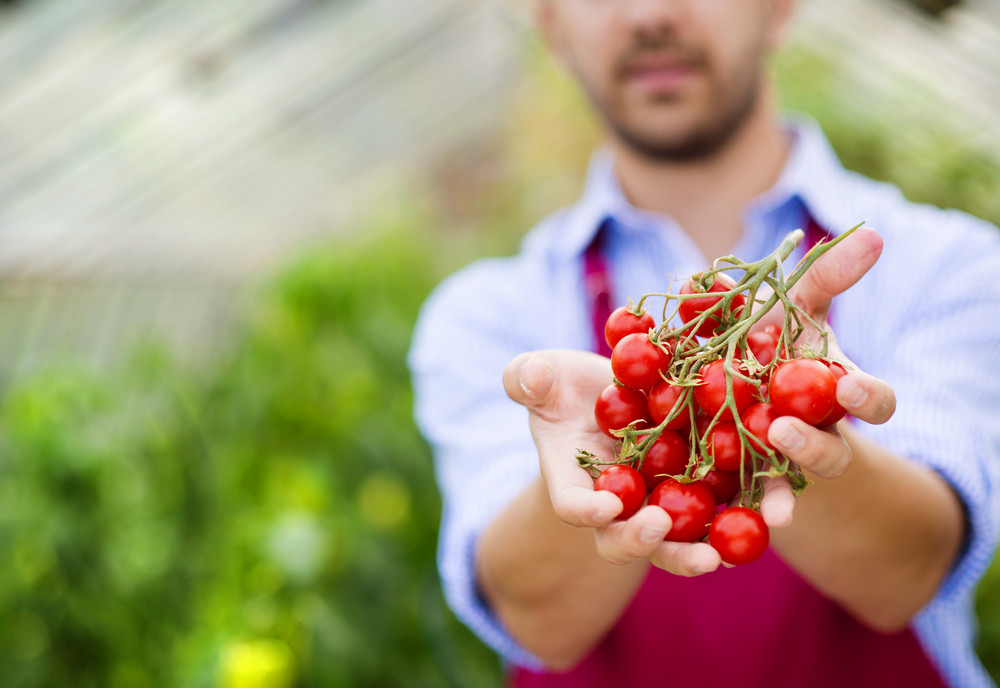

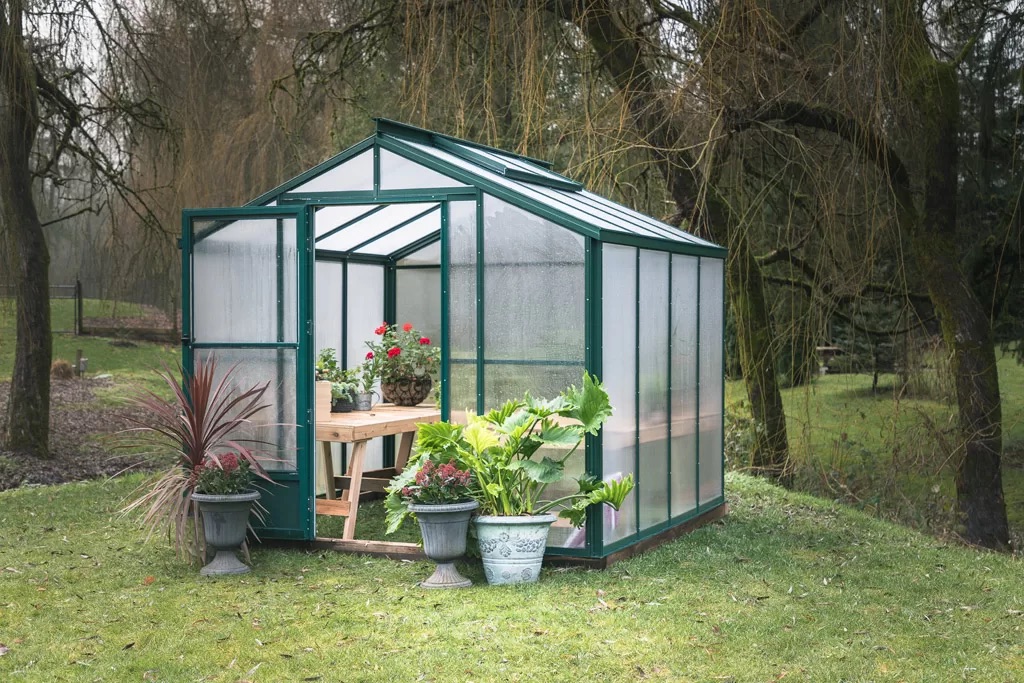
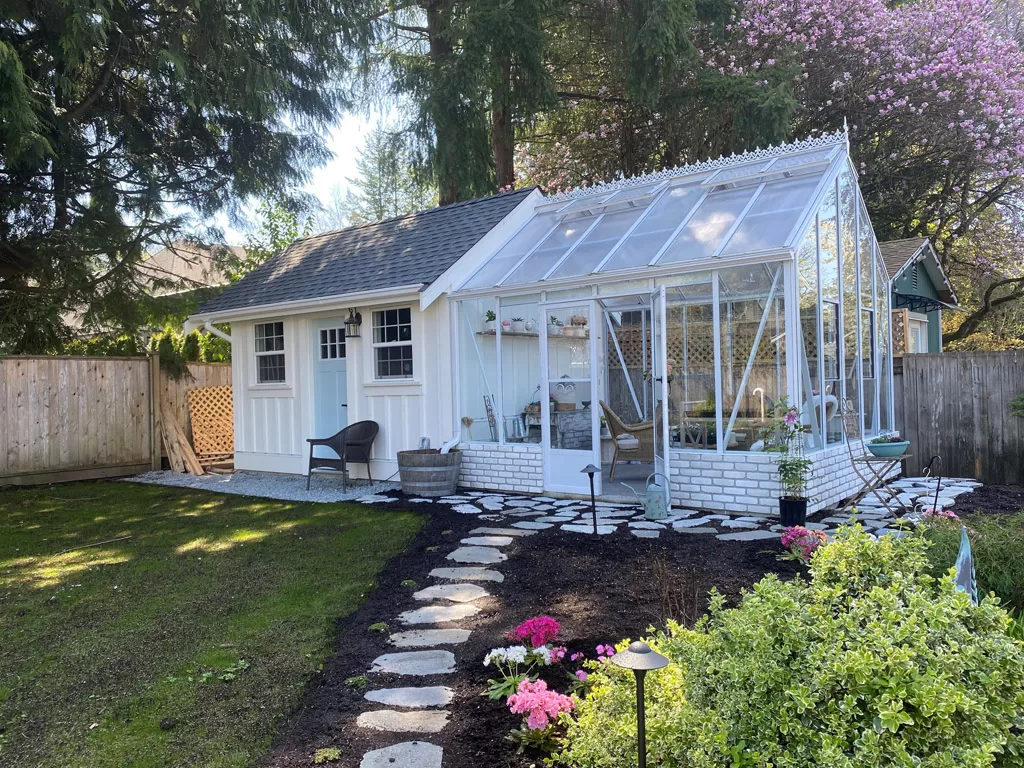
A greenhouse feels like a dream. Fresh greens in winter. Tomatoes earlier than your neighbors. A warm place to work with your hands when everything outside is frozen.
But here’s what most people don’t realize: A greenhouse isn’t just a structure. It’s a controlled environment system.
And when that system isn’t designed or managed well, problems arise, and frustration replaces the dream.
Whether you’re buying your first greenhouse or upgrading after a disappointing experience, here are the most common problems owners run into and what to watch for before buying a greenhouse.
1. “It Gets Way Too Hot.”
This is the #1 surprise for first-time owners.
Even on a mild spring day, a greenhouse can spike 30–40°F hotter than outside. In summer, it can become unusable without proper ventilation and shading.
Cheaper greenhouses often rely on:
- Manual vents
- Small fans
- Basic roof openings
This can work if you can monitor it consistently during the hot days, but it is not optimal, especially in Utah’s dry summer climate.
What to look for:
- Automated roof vents
- Large ventilation openings
- Shade systems
- Proper orientation and airflow design
If you had overheating issues before, this is usually why.
Pro Tip: Exchange the entire air volume at least every minute, but keep a close eye on watering.
2. Humidity, Mold, and Mildew
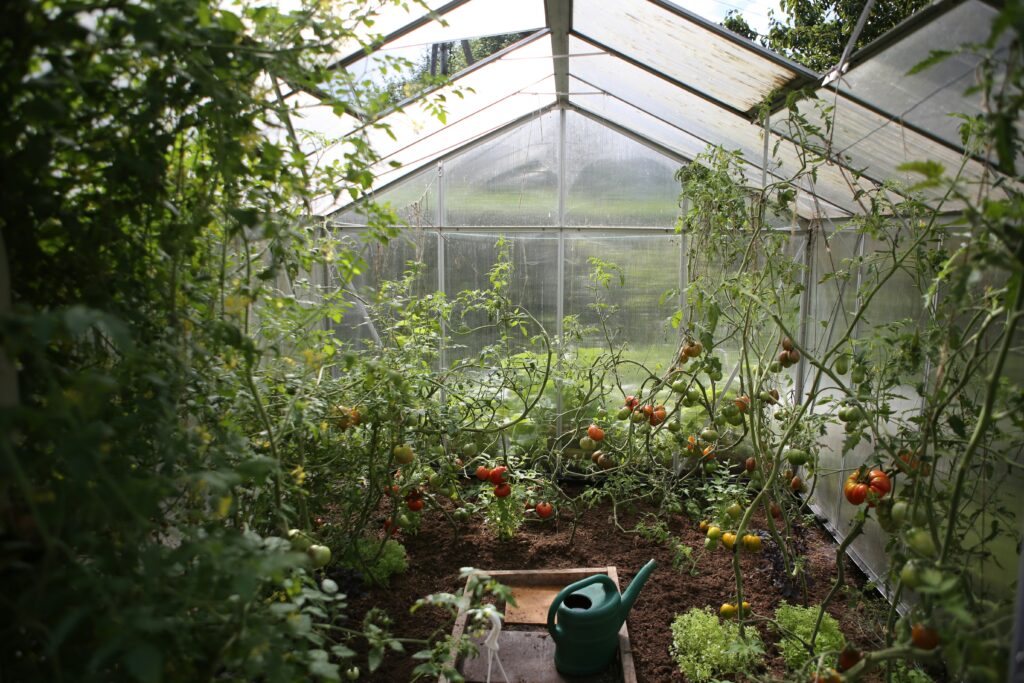
Many owners don’t expect how much moisture builds up inside. The humidity is commonly sought after. Greenhouses have plenty.
Warm air + plant transpiration + cool nights = condensation.
Water drips from the ceiling. Leaves stay wet. Powdery mildew appears. Lower-cost structures often lack proper airflow management.
What to look for:
- Cross-ventilation design
- Circulation fans
- Materials that reduce condensation drip
- Thoughtful moisture control planning
Excessive humidity isn’t just uncomfortable; it affects plant health quickly and decreases material lifespan.
Pro Tip: Good manufacturers build this control into the framing one way or another, and they don’t pretend it doesn’t apply to their greenhouse in some way.
3. “It Felt Flimsy.”
This is common with entry-level greenhouses.
- Panels rattle in wind
- Doors don’t close tightly
- Frames flex under snow
- Hardware corrodes
It works… until it doesn’t. If you’re upgrading, you probably remember hoping a storm doesn’t crush your poor greenhouse.
What to look for in a high-end greenhouse:
- Heavier gauge framing
- Snow and wind load ratings appropriate for your climate
- Quality glazing materials
- Solid anchoring systems
Structure determines longevity. If you live in the mountains, a strong structure is crucial to the lifespan and efficiency of your greenhouse.
Pro Tip: See if your greenhouse can produce engineering specs. You may not have to buy engineered plans, but a good manufacturer should be able to back up a greenhouse with engineered weather ratings and warranties.
4. Constant Maintenance
Many buyers underestimate upkeep. Cheap seals fail. Plastic yellows. Panels cloud. Hinges loosen. You may have spent more time fixing than growing.
Higher-quality systems reduce maintenance but only if designed correctly from the beginning.
Ask:
- What will I replace in 5 years?
- What degrades in sun?
- What fails under snow load?
Pro Tip: A practical greenhouse in your budget is better than a low-quality one posing as beautiful. If you are buying a ‘Victorian’ style greenhouse under $10k, you will miss out on good materials, no matter the size.
5. Manual Everything
Opening vents by hand, adjusting fans daily, and dragging hoses around. At first, it feels charming. After a season, it feels exhausting.
Time is the hidden cost of greenhouse ownership.
If you’re upgrading, automation may be the biggest quality-of-life improvement you can make.
Consider:
- Automated vent openers
- Timed irrigation
- Temperature-controlled exhaust fans
- Smart monitoring systems
A greenhouse should reduce stress, not create another daily chore list.
Pro Tip: Go smaller on the greenhouse and bigger on automation with your budget. You’ll get more out of a used greenhouse.
6. Inconsistent Temperatures
One corner is thriving. Another corner struggles. This often comes from poor airflow design, inadequate circulation, and uneven sun exposure.
Pro Tip: Place your greenhouse in an area that gets your desired sun exposure. Different orientations have different effects. North-South is good for consistency through the year, East-West optimizes winter sun exposure. Push air in a circle by facing fans opposite each other.

7. Heating Costs Surprise
Many first-time buyers think, “It’s solar, it’ll stay warm.” It won’t without the sun or another heat source.
In cold climates, heating becomes necessary for year-round growing. If insulation, glazing quality, and air sealing aren’t right, energy costs climb quickly.
For second-time buyers, this is often where upgrading pays off long-term.
Pro Tip: Look for obvious holes and cover or seal them. Don’t underestimate those infiltration costs.
8. Irrigation Frustrations
Hand watering seems simple until you miss a day.
Uneven watering leads to:
- Root problems
- Uneven growth
- Stressed plants
Integrated irrigation systems aren’t just for commercial growers. They create consistency.
Pro Tip: If you are growing in the ground, soak deeply for less frequent watering.
9. It Didn’t Fit How I Actually Garden
Many people buy based on appearance, not workflow.
Questions you may not have asked the first time:
- Is there room for tools?
- Can I comfortably work inside?
- Is there space for staging plants?
- Does it match how I grow (beds vs. pots)?
Design should match behavior, not just aesthetics.
Pro Tip: Decide your budget and allow compromise on either space or aesthetics. Having both is very expensive.
10. The “I Wish I’d Bought Better the First Time” Effect
This is incredibly common.
First greenhouse: affordable, simple, entry-level.
Second greenhouse: better materials, better ventilation, better automation.
The regret usually isn’t buying a greenhouse. It’s buying one that wasn’t built for long-term satisfaction.
What First-Time Buyers Should Know
A greenhouse is more than a kit.
You’re buying:
- A climate system
- A structural system
- A workflow space
- An energy system
Think beyond the frame and panels.
What Second-Time Buyers Should Do Differently
Reflect on your past frustrations:
- Was it heat?
- Maintenance?
- Structural weakness?
- Manual labor?
- Energy inefficiency?
Upgrade the system, not just the size.
A high-end greenhouse should:
- Feel solid
- Regulate temperature more effectively
- Require less daily intervention
- Last decades, not seasons
Final Thought
A greenhouse can be one of the most rewarding investments you make in your home.
But the difference between joy and frustration often comes down to design, structure, climate control, and long-term thinking.
If you choose carefully, your second greenhouse won’t just be bigger. It will finally feel right.
Learn More: