

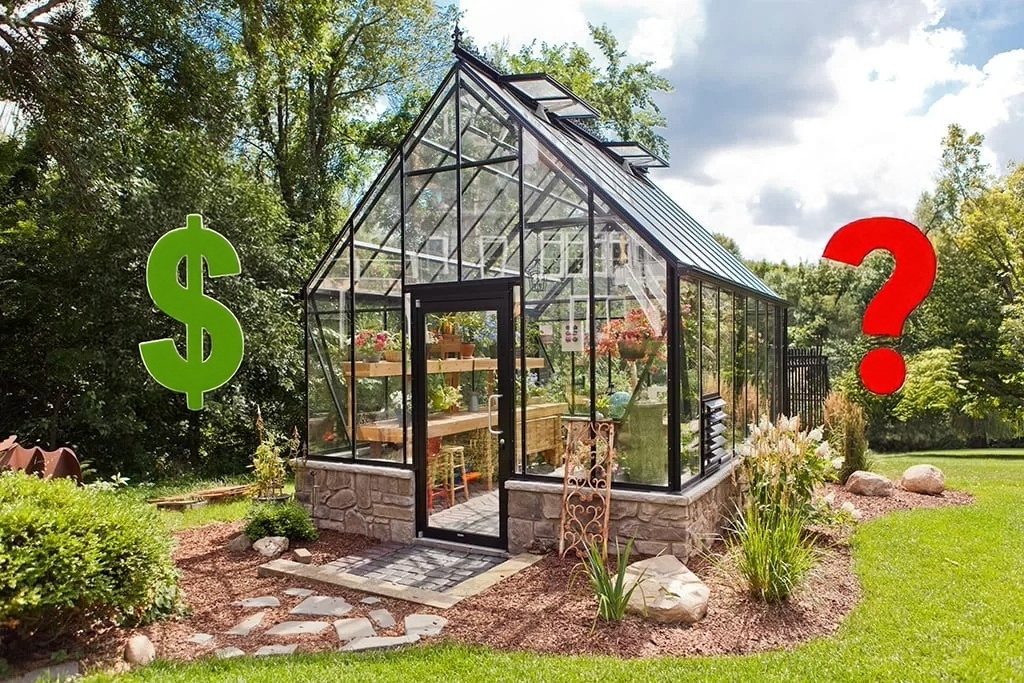
If you’re researching greenhouses, you’ve likely seen kits advertised anywhere from a few hundred dollars to well over six figures. Starting with budget-friendly kits is completely reasonable — but the reality is that the final cost of a greenhouse depends far more on your long-term goals than on the kit’s sticker price.
A greenhouse isn’t just a product. It’s a structure, a system, and an ongoing commitment. The more you expect it to perform — structurally, thermally, and operationally — the more the total investment reflects that expectation.
To make sense of the wide range of pricing, we break residential greenhouse projects into six tiers. Each tier represents a different level of durability, automation, comfort, and longevity. This framework is designed to help you quickly identify where your goals, expectations, and budget realistically align.
Tier 1: The Seasonal Hobbyist
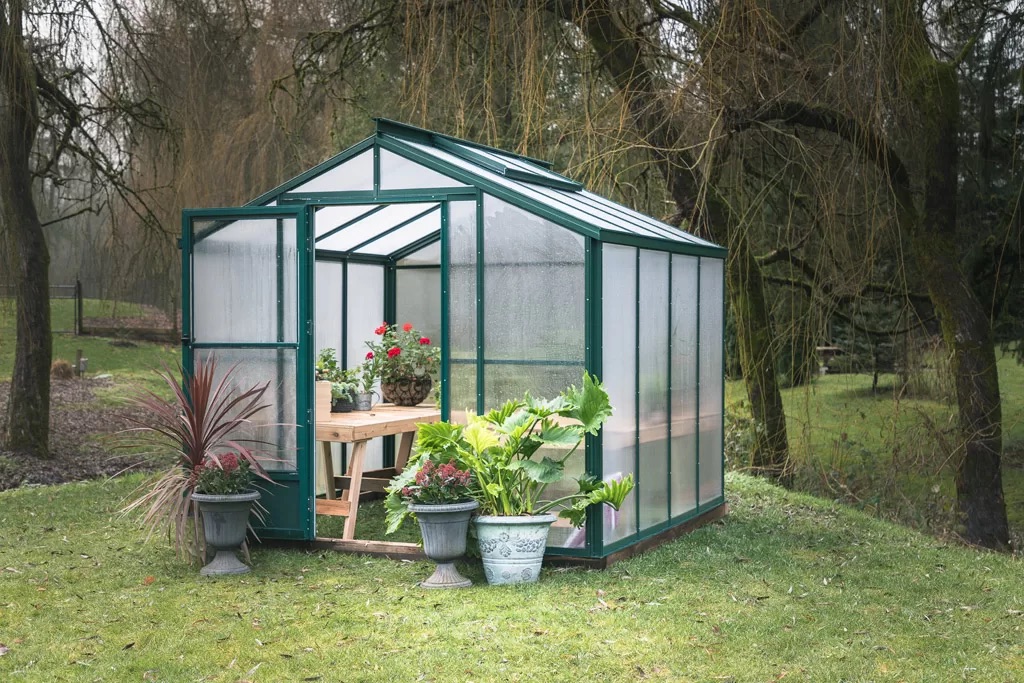
Budget: $500 – $2,000 (structure only)
This tier prioritizes the lowest upfront cost and short-term utility. It’s designed for gardeners who want a simple shelter to extend the growing season for a few months each year.
Structure
Big-box or online kits sold through warehouse retailers or marketplaces. These are lightweight, minimally engineered structures that are often not designed for meaningful wind or snow loads. Air and water infiltration is common.
Systems
Basic, temporary solutions such as:
- Shade cloths ($50–$150)
- Small plug-in electric heaters ($150–$300)
- Manual ventilation via doors or roll-up panels
Foundation
Typically placed directly on cleared soil, gravel, or an existing concrete pad. Permanent foundations are uncommon at this level.
Construction
DIY only. Professional installation is rarely cost-effective, as labor cannot overcome the structural limitations of these kits.
Maintenance
High involvement. Expect to:
- Replace plastic glazing every 1–2 years
- Manually clear snow
- Open and close vents daily
- Address frequent wear, leaks, and failures
Best for: gardeners experimenting with greenhouse growing who are comfortable with hands-on upkeep and seasonal use. This tier is temporary by nature, not a long-term structure.
Tier 2: The Practical Grower
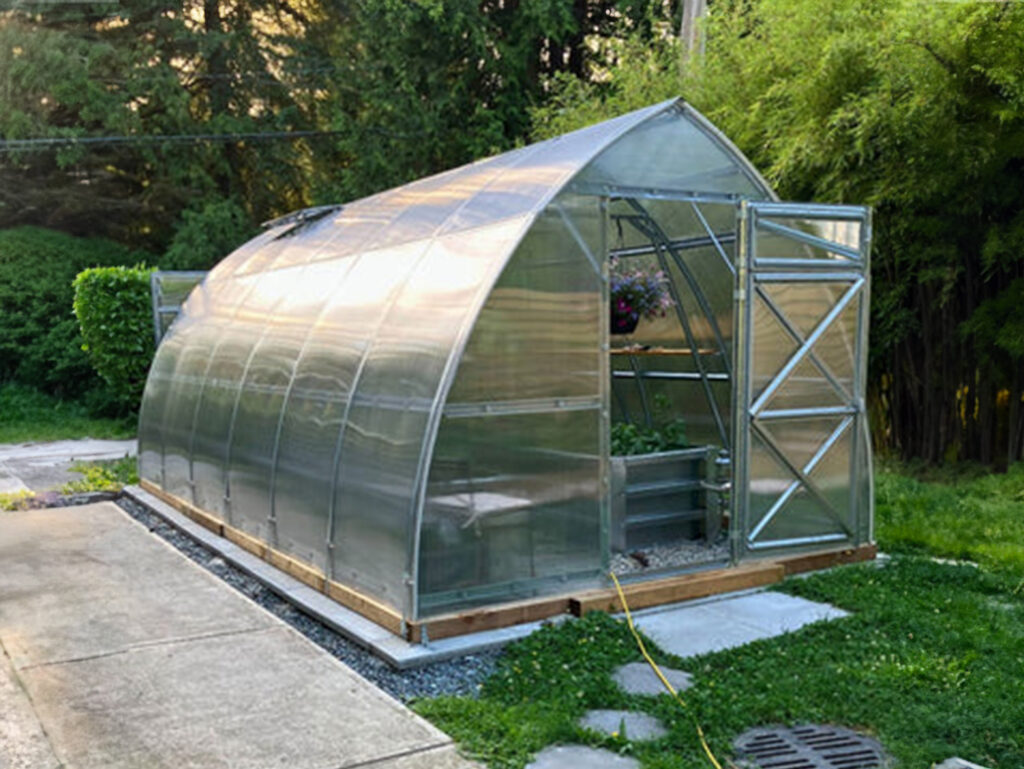
Budget: $2,000 – $9,000 (structure only)
This tier offers a practical balance of durability, function, and cost for growers who want year-round usability without entering custom or architectural territory.
Structure
Stronger polycarbonate greenhouses or high-tunnel-style frames with treated panels and improved anchoring. Many are designed to avoid permitting requirements while still handling moderate climates.
Systems
Essential grower systems are commonly added:
- Exhaust fans and intake vents (hundreds of dollars)
- Practical benches or raised beds ($1,000–$3,000)
- Basic automation for heating and irrigation
Excavation & Foundation
Concrete piers or ground anchors become common for stability.
- Typical cost in most markets: $2,000–$4,000 total, or roughly $10 per square foot
- Lower-cost alternatives include pressure-treated ground stakes (~$1,000)
Structural Construction
Professional assembly is common:
- $3,000–$10,000, depending on size and complexity
- Roughly $20 per square foot for structural labor
Maintenance
Much lower than Tier 1. Polycarbonate glazing typically lasts 10–15 years, though higher utility costs are common due to limited insulation and air sealing.
Best for: growers who want reliable function and durability without aesthetic or architectural demands.
Tier 3: The Intentionally Designed Asset
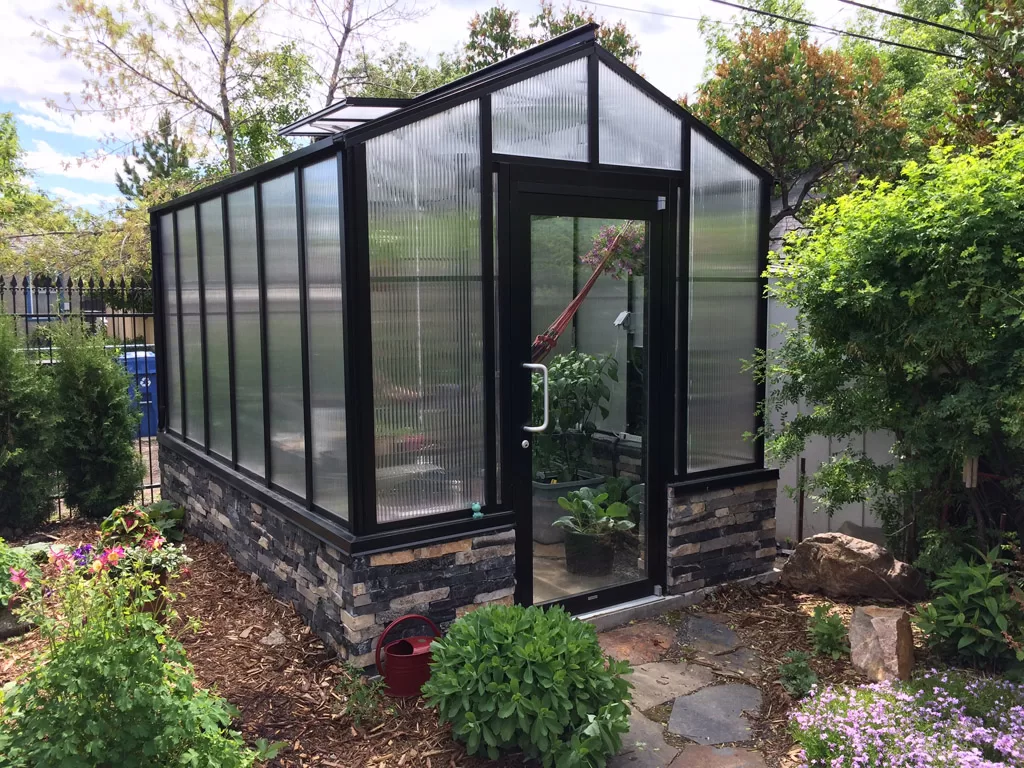
Budget: $9,000 – $25,000 (structure only)
This tier marks the shift from a purely functional greenhouse to an intentional property asset. Appearance, longevity, and usability are all considered.
Structure
Well-designed kits with heavier frames, better sealing, and often single-pane tempered glass or upgraded polycarbonate. Roof pitch, proportions, and aesthetics are intentionally designed rather than purely utilitarian.
Systems
- Automated intake and exhaust
- Improved airflow and humidity management
- Integrated benching and thoughtful interior layout
Excavation & Foundation
More permanent foundation solutions become common:
- Engineering and stamped drawings for permits: $1,000–$5,000+
- Concrete foundation walls or knee walls for insulation and strength: $5,000–$15,000+
- Concrete slabs or pavers:
- Concrete: $3–$15 per square foot
- Pavers (installed): $10–$30+ per square foot
Structural Construction
Professional installation with improved weather sealing:
- $5,000–$20,000, or roughly $20 per square foot
- Safe and intentional home attachment becomes feasible at this level
Maintenance
Excellent structural longevity. Maintenance shifts toward systems rather than the building itself.
Best for: homeowners who want a greenhouse that feels permanent, intentional, and well-integrated with their property.
Tier 4: The High-Performance Semi-Custom

Budget: $25,000 – $50,000 (structure only)
This tier prioritizes performance, reliability, and serious growing, particularly in extreme climates. These greenhouses function as true year-round environments.
Structure
Semi-custom platforms with double-pane glass or triple- or five-wall polycarbonate, engineered frames, and high wind and snow load ratings.
Systems
Advanced, automated climate control becomes standard:
- Robust heating and cooling: $2,500–$8,000
- Humidity control: $1,000–$4,000
- Automated shade and thermal screens: $1,500–$6,000
Excavation & Foundation
Perimeter concrete stem walls or insulated slabs provide thermal breaks and weather sealing:
- $15–$25 per square foot in most markets
Structural Construction
Engineered installation with meticulous flashing and sealing:
- $40–$60 per square foot
- Many projects fall in the $15,000–$30,000 installation range
Maintenance
Structural maintenance is minimal. Systems require periodic professional calibration and seasonal checks.
Best for: growers who want dependable year-round performance, precise climate control, and minimal compromises.
Tier 5: The Architecturally Adapted
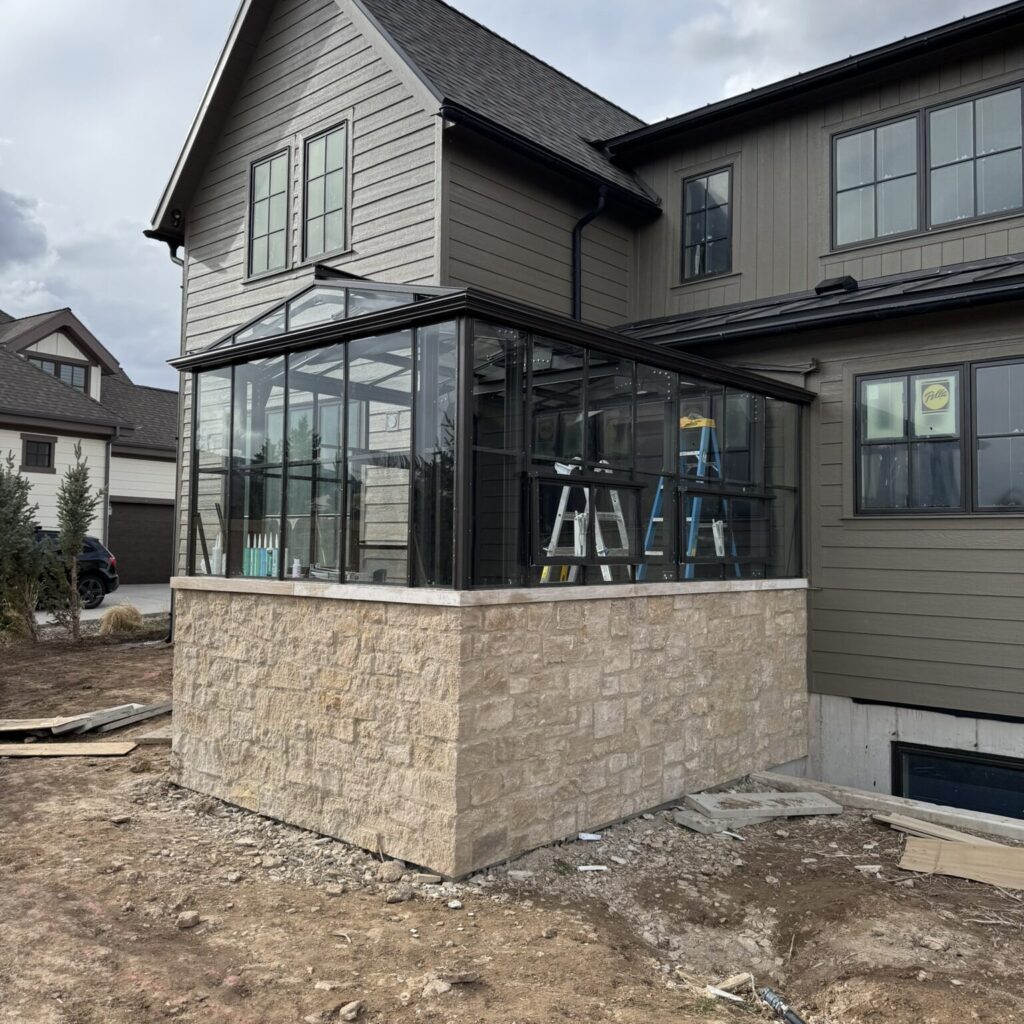
Budget: $50,000 – $100,000 (structure only)
At this level, the greenhouse becomes an architectural extension of the home or landscape.
Structure
High-end greenhouse platforms adapted to architectural plans. Larger footprints, double-pane glass, and seamless integration are standard.
Systems
Fully integrated, zone-controlled environmental systems with concealed mechanicals:
- Commercial-grade shade and thermal management: $3,000–$8,000
- Clean, minimal interior and exterior aesthetics (base price, with customization typically adding $500–$2,500)
Excavation & Foundation
Frost-protected slabs with dressed-up knee walls:
- $25–$40 per square foot
Structural Construction
Bespoke coordination with architects and builders:
- $60–$100+ per square foot
- Installation commonly ranges from $30,000–$60,000
Maintenance
Very low structural maintenance. Systems are often supported by professional service contracts.
Best for: homeowners prioritizing architectural cohesion, longevity, and premium fit-and-finish.
Tier 6: The Fully Custom Bespoke Dream
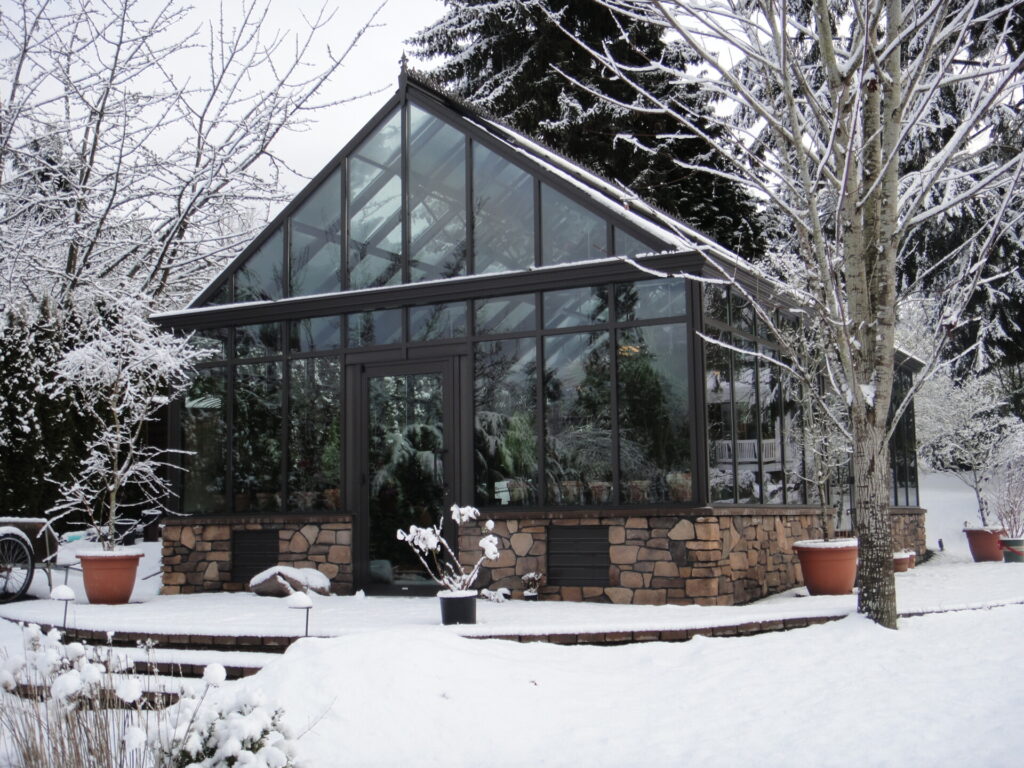
Budget: $100,000 – $300,000+ (structure only)
This is the ultra-high-end tier where the greenhouse is no longer a product — it is a bespoke environment that often functions like another room in the home.
Structure
Fully custom frames, specialized glazing, and unique geometries designed specifically for the site and climate. Framing becomes both structural and visual, with materials chosen as much for beauty as performance.
Systems
Highly sophisticated, hidden systems such as:
- Hydronic or geothermal heating
- Precision humidity and airflow control
- Room-level comfort regardless of exterior conditions
Excavation & Foundation
Complex, engineered foundations with hidden mechanical spaces:
- $40+ per square foot, highly variable
Structural Construction
Built to custom-luxury-home standards:
- $100–$300+ per square foot
Maintenance
Minimal structural maintenance, with white-glove system management and professional oversight.
Best for: clients seeking absolute control, customization, and long-term architectural value.
Additional Pricing to Consider
Beyond structure, construction, and systems, plan for the following:
- Contractor travel: Specialized greenhouse crews may charge $750–$1,250 per day for travel, depending on location. Local contractors can significantly reduce costs if they have relevant experience.
- Utilities: Running power, gas, or water often costs thousands of dollars upfront, with ongoing monthly utility increases.
- Interior buildout: Benches, beds, finishes, and layout design are often best handled by interior designers, landscape contractors, or carpenters rather than general builders.
- Gardening commitment: To make the investment worthwhile, consistent weekly care is essential. The greenhouse only performs if it’s actively used.
Final Thought
There is no single “right” greenhouse — only the right greenhouse for your goals. Understanding these tiers helps prevent underbuilding, overspending, or mismatched expectations. A well-chosen greenhouse should feel aligned not just with how you plan to use it this season, but for many years to come.
Most serious residential projects land in the middle tiers, where structure, systems, and construction quality must work together. That’s often where thoughtful planning makes the biggest difference.
When you partner with Monarch, we handle the contracting process and ensure that you are connected with the right resources to develop a design and structure that works for you. Then, we make sure your greenhouse is built effectively.