


Keeping your greenhouse warm year-round can feel like a challenge, especially in colder climates. But with a mix of smart design, solar energy, and a few clever heating strategies, you can maintain a healthy, productive growing space no matter the season.
In this guide, we’ll explore five effective ways to heat your greenhouse that don’t require sky energy bills. From passive solar techniques to geothermal systems—so your plants thrive all year long.
1. Harness the Power of Sunlight
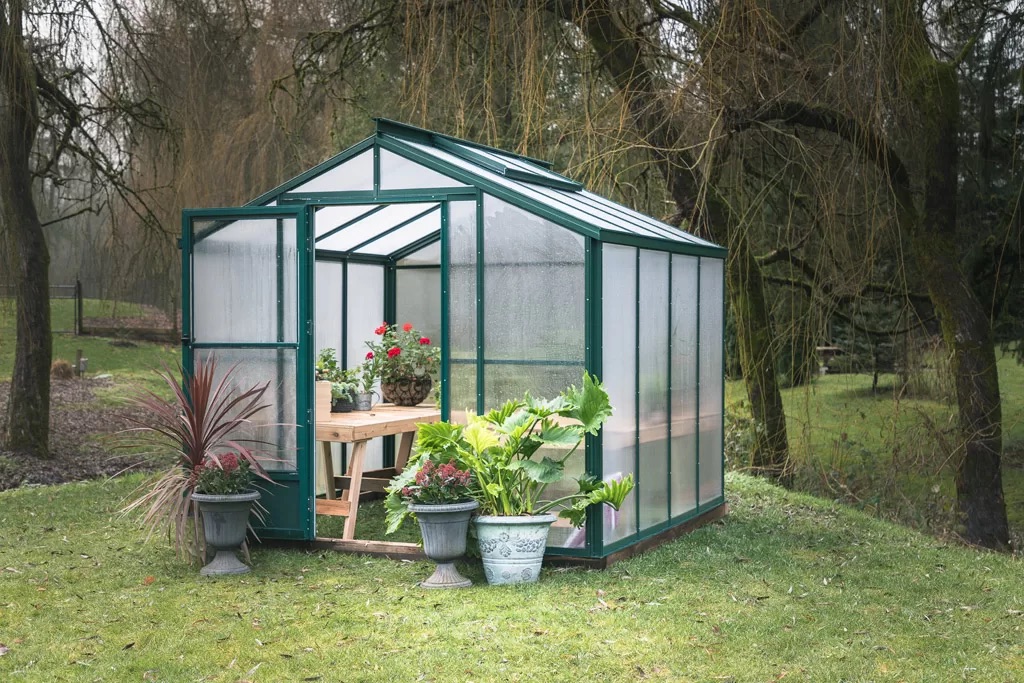
The simplest way to heat a greenhouse is by using passive solar energy. Modern greenhouses are designed with double-wall or multi-wall glazing that insulates while letting sunlight through, allowing your greenhouse to capture and retain heat naturally.

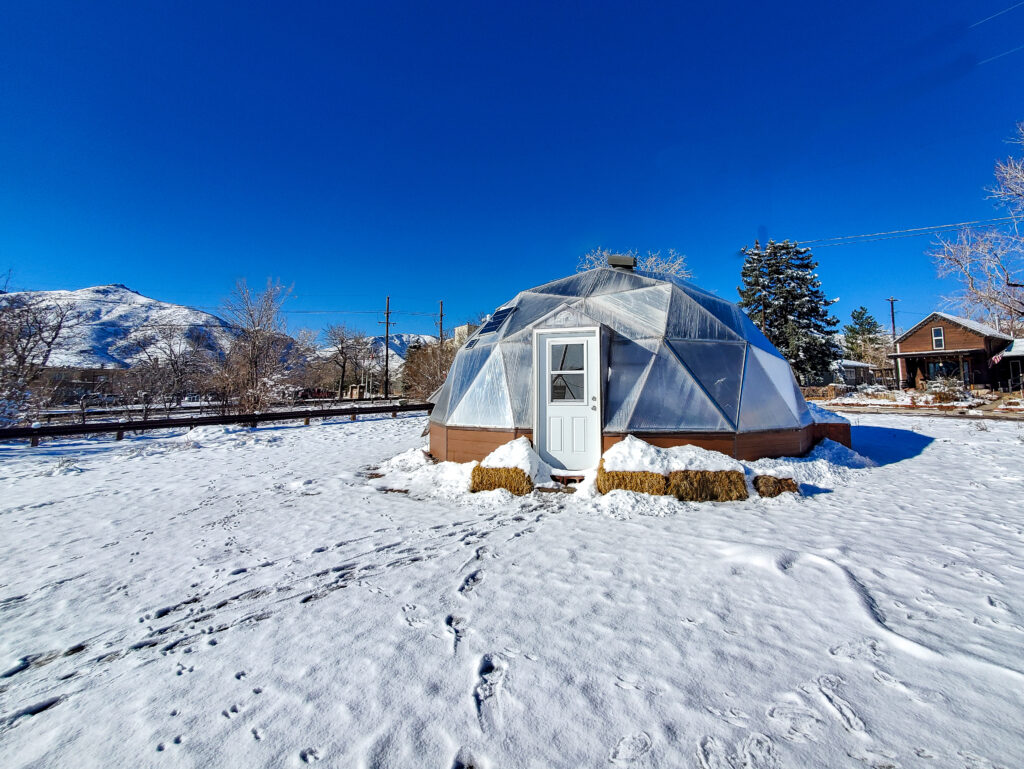
Greenhouse orientation is key. A north-south orientation generally provides consistent light year-round, while an east-west setup maximizes winter sunlight, which can be crucial in colder months. Dome-shaped greenhouses capture sunlight evenly in all seasons, while rectangular greenhouses may need strategic placement to get the most out of the sun.
With proper sunlight, insulation, and orientation, your greenhouse can store heat during the day—but keeping it warm through cold nights requires additional strategies.
2. Use Thermal Mass to Retain Heat
Thermal mass refers to materials that absorb heat during the day and release it slowly at night, helping maintain stable temperatures. Common options include water tanks, stones, pavers, concrete, and even soil.
- Water: Dark-colored or black water tanks placed along the north wall are highly effective. For space-saving, place tanks under tables.
- Stone, concrete, and pavers: These work well in flooring, raised beds, or knee walls, providing heat retention while giving your greenhouse a finished look.
- Soil: Raised garden beds or an insulated foundation can help store heat, though soil is less efficient than water or masonry.
Combining these materials can make your greenhouse more self-sufficient and energy-efficient, though results may vary depending on climate and greenhouse design.
3. Install a Heater for Reliable Warmth
For those who want guaranteed warmth, installing a heater is the most reliable option. Planning ahead is ideal—running gas or electricity to your greenhouse during construction ensures it’s ready for heating systems.
If your greenhouse is already built, you can still add heaters. Electric heaters are simple if you have utilities, while gas, wood, or pellet heaters offer off-grid solutions. Keep in mind that some systems may require permits and professional installation.
A well-chosen heater ensures your greenhouse stays productive even during the coldest winter nights.
4. Consider a Geothermal System
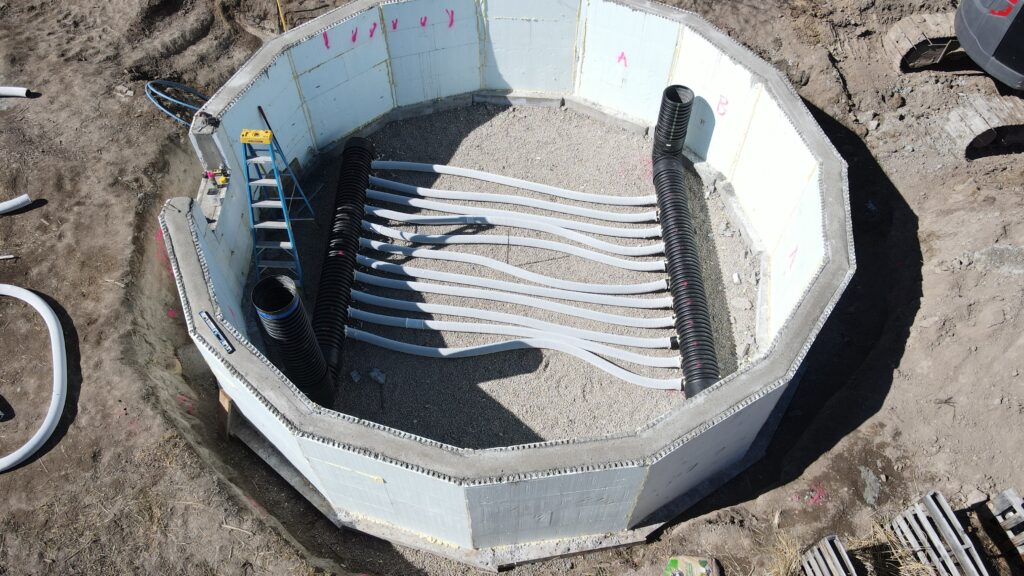
Geothermal heating, also known as ground-to-air heat transfer (GAHT), uses the earth to help regulate greenhouse temperatures. Pipes run underground, moving air through insulated soil before returning it to the greenhouse.
In winter, this system keeps your greenhouse warmer, and in summer, it can help cool it down. While it won’t create tropical conditions, it can maintain indoor temperatures at least 10°F above or below outside levels, significantly expanding your greenhouse’s efficiency.
Geothermal systems are best installed during greenhouse construction and are ideal for those looking to reduce energy costs while achieving year-round productivity.
5. Use Shade Systems as Thermal Curtains
Shade systems aren’t just for cooling—they can reduce nighttime heat loss. When closed at night, shade cloths act like thermal curtains, trapping warm air around plants and preventing it from rising and escaping through the glazing.
Modern shade fabrics often reflect heat back into the greenhouse, reducing heat loss by 15–40%. Pairing shade systems with thermal mass, like masonry or water tanks, helps that stored heat last longer through cold nights, creating a more stable and energy-efficient environment.
For four-season greenhouses, shade systems are more than comfort—they’re an investment in consistent temperatures, lower energy costs, and healthier plants.
Keeping Your Greenhouse Warm Year-Round
These strategies aren’t the only ways to heat a greenhouse, but even combining passive solar, thermal mass, and proper insulation can dramatically improve your greenhouse environment. At a minimum, using thermal mass plays a crucial role in preventing temperatures from dropping too low.
As greenhouse builders, we can assist with planning, installing, and upgrading your greenhouse systems—whether that’s running utilities for heaters, designing geothermal systems, or optimizing thermal mass and shading.
We’re here to help you achieve your greenhouse goals and make year-round growing a reality.
Want to learn more? Check out these blogs!