


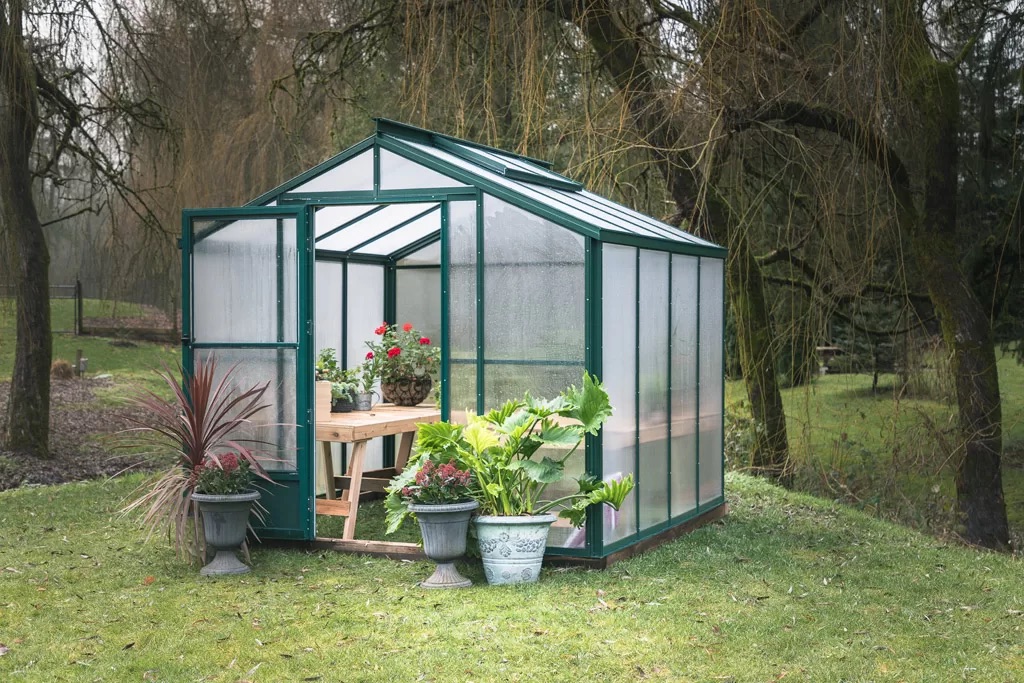
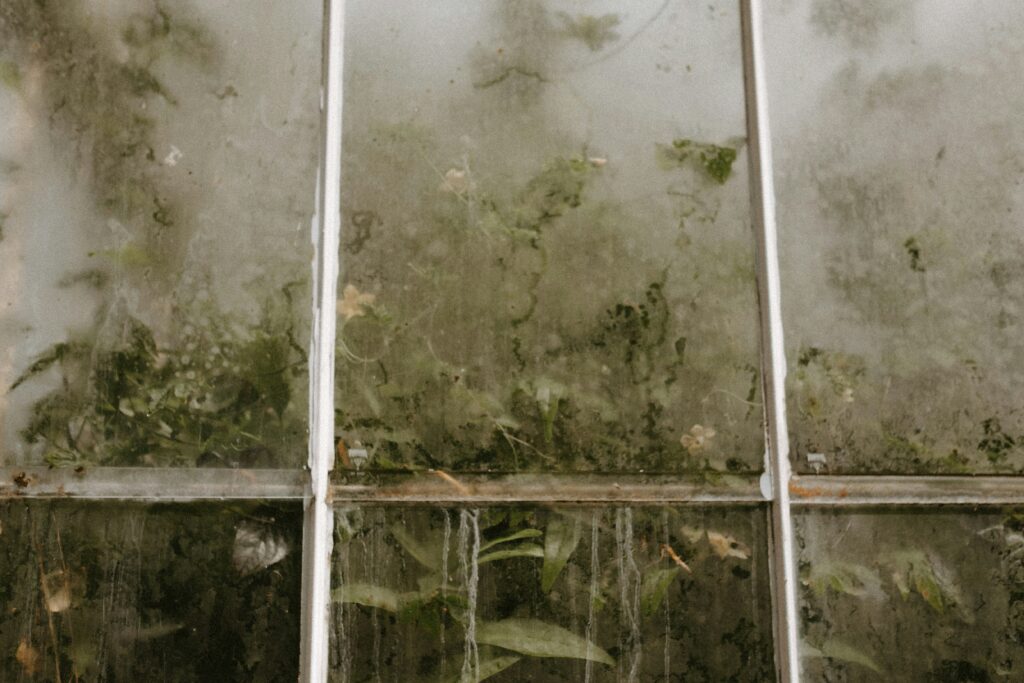
If you’ve ever stepped into your greenhouse on a crisp morning only to be met with “rain” dripping from the ceiling or a thick fog on the glass, you’ve seen condensation in action. While a little moisture is normal, uncontrolled condensation can be the difference between a thriving crop and a season lost to mold.
At the time that this article is being written, Utah is experiencing record high spring temperatures in March. This is likely fueling condensation issues for greenhouse growers. We are writing this to help growers learn about what is happening, and how to keep their plants safe.
Why Does Condensation Happen? (The Deep Dive)
At its core, condensation is a physics problem involving three main players: humidity, air temperature, and surface temperature.
- The Dew Point Factor: Warm air is like a sponge; it can hold a lot of water. As air cools, that “sponge” shrinks. The dew point is the specific temperature where the air is so cool it can no longer hold its water vapor, forcing it to turn back into liquid.
- Surface Tension: In a greenhouse, the walls and roof are the first to cool down. When the warm, moist air inside touches these cold surfaces, it hits its dew point instantly, creating the fog or droplets you see on the glass.

- Plant Transpiration: Your plants are constantly “breathing” out moisture. In a closed greenhouse, this water vapor has nowhere to go, rapidly driving up the relative humidity.
The Utah Factor: High Desert Challenges
Utah’s climate is notorious for “extreme swings,” which makes greenhouse management particularly tricky.
- Extreme Diurnal Temperature Swings: Utah is famous for 40-degree temperature drops between day and night. A sunny, 60°F afternoon in March can plummet to 20°F by midnight. This rapid cooling almost guarantees that the air inside your greenhouse will hit its dew point every single night unless actively managed.
- The “Sunny Day Trap”: Because we have so many high-UV, sunny days, plants in Utah greenhouses transpire at a very high rate. This fills the air with moisture during the day, which then “dumps” as heavy condensation the second the sun goes down and the temperature drops.
- Low Ambient Humidity vs. High Internal Humidity: While Utah is “dry” outside, the enclosed environment of a greenhouse creates a humid microclimate. The contrast between the bone-dry outside air and the soggy inside air can cause structural stress and make ventilation timing critical.
When is it Prevalent?
In Utah, condensation isn’t just a winter problem; it follows a seasonal cycle:
| Season | Prevalence | Why? |
| Spring (March–May) | High (Peak Risk) | This is the most dangerous time. Warm, sunny days lead to massive transpiration, followed by freezing nights. This is when Botrytis and mold are most likely to strike. |
| Fall (Sept–Nov) | Moderate | Similar to spring, but with decreasing day length. As you start closing vents to trap heat for the night, you also trap all the day’s moisture. |
| Winter (Dec–Feb) | Constant | With vents sealed tight to battle the Utah cold, moisture builds up quickly. You’ll likely see a “permanent” fog on your glazing during these months. |
| Summer (June–Aug) | Low | Because we typically leave vents and doors wide open for cooling, the moisture escapes into the dry Utah air before it can condense. |
The Hidden Cost of Humidity: Why Excess Moisture is a Risk
In the high-desert climate of Utah, we often view water as a precious resource. However, inside a greenhouse, water in the wrong place is a liability. While a controlled level of humidity (around 50–70%) supports plant growth, uncontrolled condensation creates three major risks for your harvest:
- The Disease Catalyst: Excess moisture is a primary trigger for fungal and bacterial outbreaks. Pathogens like Botrytis (Gray Mold) and Powdery Mildew thrive in the thin film of water that forms on leaves during cold Utah nights. Once these diseases take hold, they can sweep through a greenhouse in days.
- The “Drip” Factor: As condensation pools on the ceiling, it eventually falls. These cold drips don’t just “water” your plants; they can damage delicate seedlings, create cold spots on foliage, and splash soil-borne pathogens onto the leaves of healthy plants.
- Pollination Interference: High humidity makes pollen heavy and “sticky.” For self-pollinating crops like tomatoes and peppers, this means the pollen won’t move effectively, leading to poor fruit set and a lower overall yield.
The Verdict: While humidity is a natural byproduct of growing, liquid water on your plants or structure is a red flag that your environment is out of balance.
Master the Microclimate: Strategies for Moisture Control
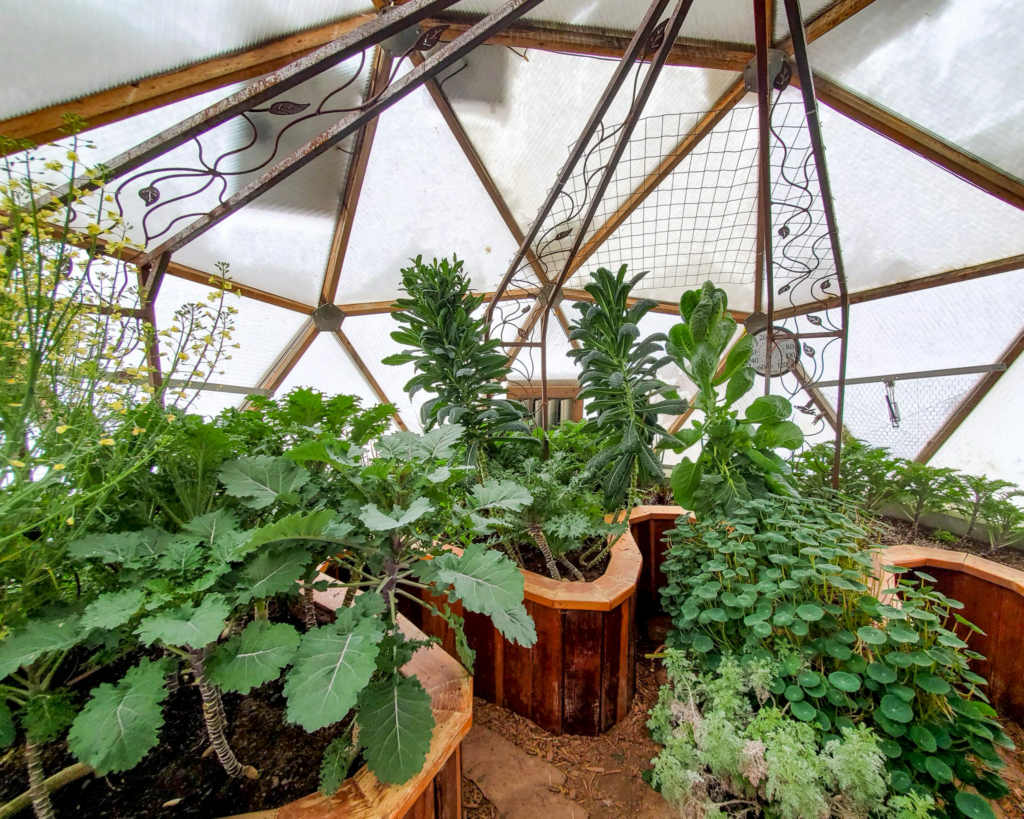
Managing condensation is a balancing act between heat retention and air exchange. In Utah’s high-desert environment, you can’t always leave the vents open, so you have to be strategic. Here are four proven methods to keep your greenhouse dry:
- Prioritize Active Ventilation: Even on chilly days, “cracking” your roof vents or running exhaust fans for just 15–20 minutes in the morning can swap out the heavy, saturated internal air for drier outside air. This “air exchange” is the single most effective way to drop the dew point inside the structure.
- Optimize Airflow with HAF Fans: Use Horizontal Airflow (HAF) fans to keep air moving 24/7. Moving air prevents “cold spots” from forming on your glazing and foliage, making it much harder for water vapor to settle and condense.
- Water with Precision: In the high desert, timing is everything. Water your plants early in the morning so the soil surface can dry before evening temperatures plummet. Whenever possible, switch to drip irrigation; this delivers water directly to the roots and prevents the massive evaporation caused by overhead misting or open trays.
- Invest in “Anti-Drip” Technology: For poly-film greenhouses, consider using anti-condensate surfactants or specialized films. These treatments break the surface tension of water, causing it to “sheet” down the walls into your drainage system rather than forming heavy, falling droplets that rain on your crop.
The Bottom Line
Managing condensation is about finding the equilibrium between temperature and airflow. By monitoring your humidity levels and ensuring your air stays in motion, you can protect your plants from disease and ensure your greenhouse remains a productive, healthy environment all year long.
Don’t Let Your Greenhouse Sweat—Let’s Optimize It
Managing the unique climate of the high desert is a challenge, but you don’t have to do it alone. At Monarch Greenhouse Solutions, we aren’t just growers; we are greenhouse construction experts.
Whether you are looking to build a new structure from the ground up or need professional greenhouse modifications to fix existing condensation issues, we can help. From installing advanced automated ventilation systems to retrofitting high-efficiency HAF fans and anti-drip glazing, we specialize in creating environments where plants—and growers—thrive.
Ready to upgrade your airflow? Contact us today for a consultation on how to modernize your greenhouse for the Utah spring.
Learn More: