


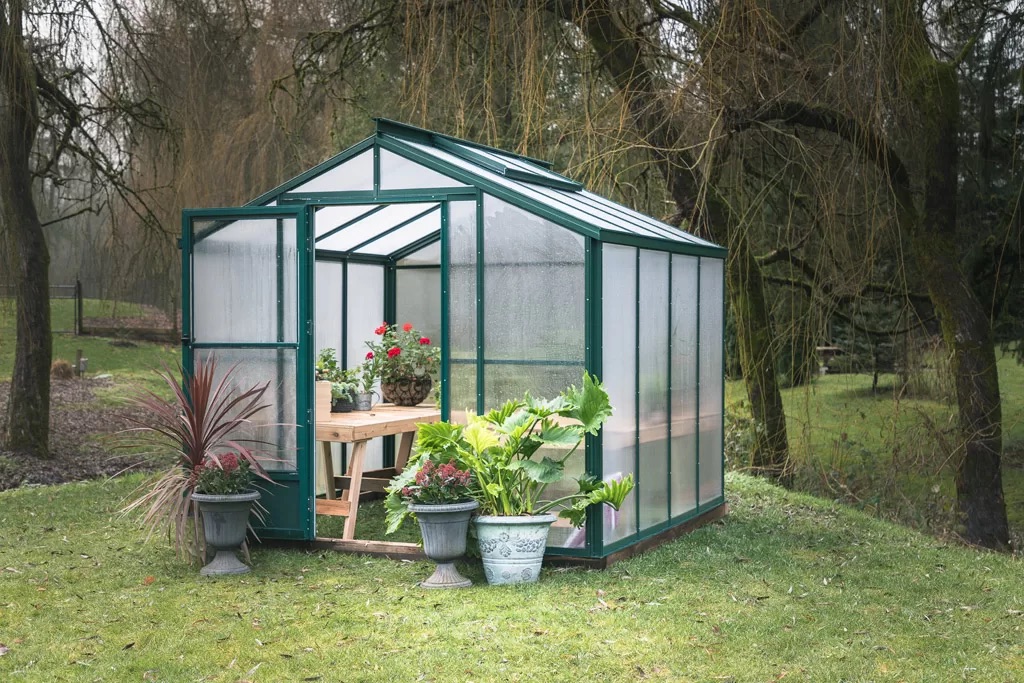
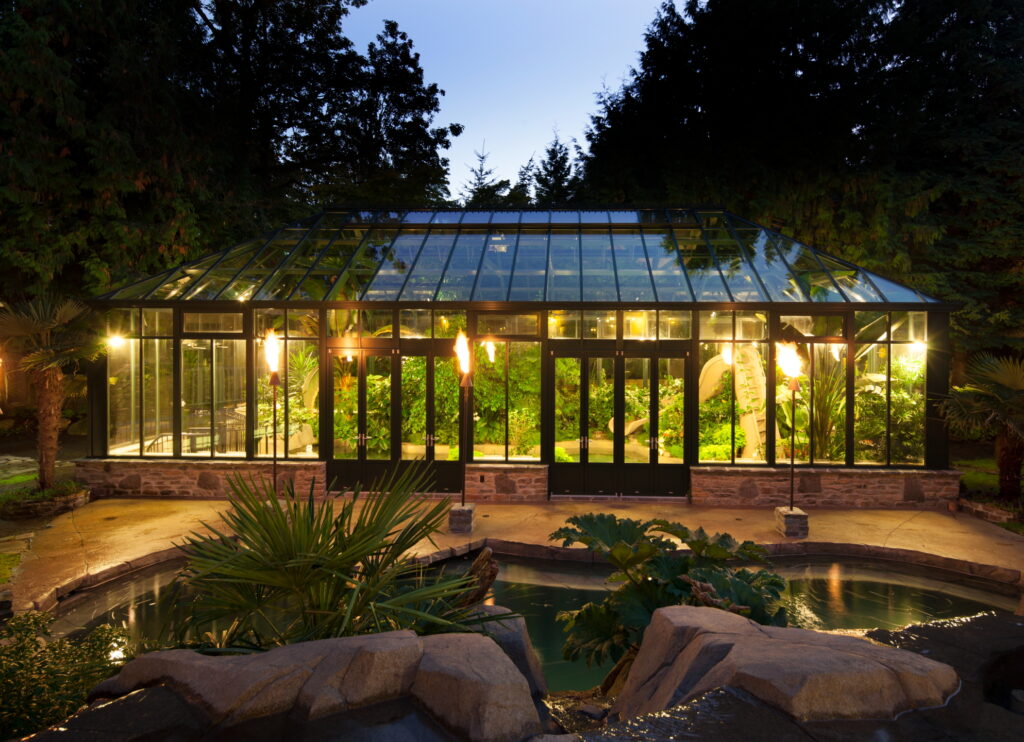
Greenhouses are awesome — at least the idea of them is. A place separate from the outside climate where you can grow what you want, when you want.
In practice, especially in the Mountain West, it’s not always that simple.
We deal with hot, dry summers, unpredictable shoulder seasons, and winters that can swing from sunny and mild to deeply cold. That leads many greenhouse owners to ask the same question early on:
Do I really need utilities in my greenhouse?
The short answer: not always.
The better answer: it depends on how you want to use the space — and how easy you want it to be to manage.
What “Utilities” Mean in a Greenhouse
When we talk about greenhouse utilities, we’re usually referring to:
- Electricity (lighting, fans, heaters, controls)
- Water (irrigation, spigots, misting)
- Gas (for certain heating systems)
- Drainage (often overlooked, but important)
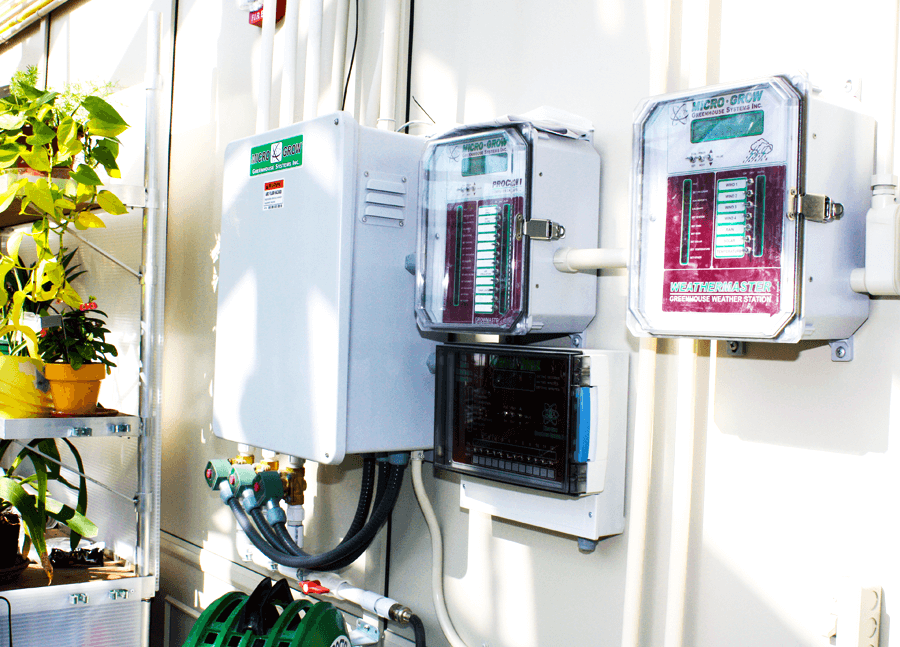
- Controls & automation (dependent on electricity)
Not every greenhouse needs all of these. Some need none at all. The key is understanding what supports your growing goals.
Greenhouse Goals: How You Plan to Grow Matters Most
Year-Round Growing
If your goal is true year-round production, utilities become much more valuable.
- Electricity allows for:
- Air circulation in every season
- Supplemental lighting during short winter days
- Automated vents, fans, and environmental controls
- Air circulation in every season
- Water access makes daily use far easier and more consistent than hauling hoses or watering cans
- Gas may be useful for larger structures that require higher heating output, though many smaller greenhouses do just fine with electric heaters
Year-round greenhouses don’t need to be complicated — but they do benefit greatly from reliable infrastructure.
Seasonal or Early-Start Greenhouses
Some greenhouses are primarily used for:
- Spring starts
- Shoulder-season extension
- Frost protection
These often don’t require permanent heating systems or gas hookups. With good sun exposure, thoughtful design, and some hands-on care, they can perform extremely well with minimal utilities — or none at all.
Greenhouse Utilities Decision Table
| Greenhouse Goal | Electricity | Water | Gas | Drainage | Why It Matters |
|---|---|---|---|---|---|
| Seasonal starts & spring planting | Optional | Recommended | Not needed | Basic | Sunlight does most of the work; water access saves time and effort |
| Extended growing season (spring & fall) | Recommended | Recommended | Optional | Recommended | Fans, vents, and easy watering improve consistency during temperature swings |
| Year-round growing (cold winters) | Essential | Essential | Situational | Essential | Heating, air circulation, lighting, and meltwater management become critical |
| Small backyard greenhouse (<10’ × 20’) | Recommended | Recommended | Not needed | Recommended | Easier to manage with electric heat and simple irrigation |
| Large greenhouse / high tunnel | Optional | Recommended | Situational | Essential | Often solar-driven, but drainage and scale-friendly watering matter |
| Attached greenhouse | Essential | Essential | Optional | Recommended | Utilities are easier to access and increase usability |
| Low-maintenance / automated growing | Essential | Essential | Situational | Essential | Controllers, sensors, and automation require power and reliable systems |
Size Makes a Difference
Smaller greenhouses (roughly under 10’ × 20’) are easier to heat, cool, and manage. Electricity and water can significantly improve usability, but large heating systems are rarely necessary.
Larger spaces, like hoop houses or high tunnels used for seasonal growing, often rely on:
- Solar gain
- Thermal mass (garden beds, water tanks, masonry)
- Manual ventilation
These factors make them less reliant on common utilities
Educational or commercial greenhouses will often require utilities to accommodate for their space and the robust systems that are often included to keep them running smoothly.
The larger the space — and the longer the growing season — the more useful utilities tend to become.
Location & Access

Where your greenhouse sits plays a major role in whether utilities are worth it.
- Good sun exposure reduces heating needs but may increase the value of automated ventilation
- Distance from the house affects how practical it is to manage daily tasks
- Attached greenhouses can be a “cheat code,” offering easier utility access and shared thermal benefits
Often, utilities aren’t about performance alone — they’re about convenience. A greenhouse that’s easier to manage gets used more.
Planning for Utilities (Even If You Don’t Install Them Yet)
The best time to think about utilities is during construction, not after.
Installing sleeves, conduit, or stub-outs before the foundation is poured is far more cost-effective than retrofitting later. Even if you don’t plan to add utilities right away, planning for them gives you flexibility as your goals evolve.
Permits are typically required for gas and electrical connections, and final hookups should always be completed by licensed professionals.
Final Thoughts
Utilities can turn a greenhouse from a simple garden structure into a highly productive, low-stress growing space — but they’re not mandatory.
For some people, a utility-free greenhouse is perfect. For others, having water on hand, power for fans, or automated controls makes the difference between wanting to grow year-round and actually enjoying it.
At Monarch Greenhouse Solutions, we help you by building what makes sense for your goals with expert planning and execution.
Learn More: