

If you’re reading this, it probably means that you are on the journey towards buying and building a greenhouse. On this journey there is a checkpoint that is really important for the success of your project.
That crucial step is design, or another way to put it could be orientation.
Unsure where to begin your greenhouse project? Stop designing and start orienting. Clarity now prevents costly missteps later.
This guide is written for people who know they want a greenhouse and want to approach the design deliberately—without rework, guesswork, or unnecessary complexity.
The Moment Most People Get Stuck
Most people don’t stall their greenhouse projects because the design is complicated; they stall because they try to start designing before they are properly oriented.
It often looks like this:
- You have a vision.
- You have a location.
- You may even have examples you like.
But when you try to convert that vision into concrete decisions—structure, layout, systems—the process suddenly feels overwhelming.
This discomfort is often misread as a lack of knowledge. It isn’t.
The real problem is that design is being approached as a list of choices instead of a process of clarification. Every decision feels loaded because you fear locking in the wrong thing too early.
The shift is simple but critical: feeling uncertain here doesn’t mean you’re behind. It means you’re exactly where real design begins. The goal is to move from guessing to sequencing.
Great designs feel obvious because decisions were made in the right order.
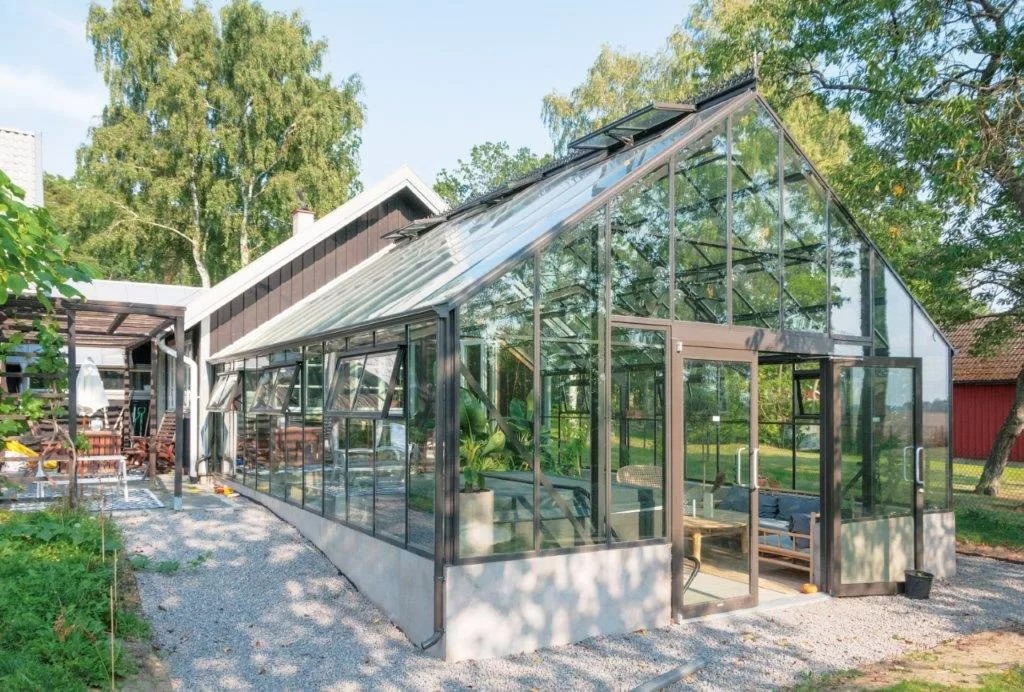
Most greenhouse owners that use their structures and are happy with how they turned out, found success by keeping the process simple.
That simplicity isn’t a lack of creativity; it’s the result of correct sequencing. Each decision clarifies the next instead of competing with it. By the time structural and system choices are made, many options have already been filtered out naturally.
The key takeaway is this: confidence doesn’t come from making decisions quickly. It comes from knowing which decisions deserve attention now, and which ones don’t. When design is sequenced well, uncertainty shrinks, and progress feels steady rather than forced.
The Real First Decision (Intent, Not Technical)
Most people assume greenhouse design starts with size, structure, or systems. It doesn’t.
It starts with understanding what the greenhouse is meant to do in your life or operation.
Two identical greenhouses in the same climate can require very different designs based entirely on intent.
If you enjoy daily interaction—adjusting things by hand, observing changes, and staying closely involved—the greenhouse should be designed to support that.
If you need the greenhouse to operate predictably in the background, supporting a broader operation without demanding constant attention, the design priorities change.
Neither approach is better. But confusing one for the other creates frustration quickly.
Clarifying intent early removes entire categories of downstream decisions. It shapes how much complexity makes sense, how automation should be approached, and how forgiving the design needs to be.
When this first decision is clear, you stop choosing between options. Rather, you start seeing what fits.
Constraints Create Momentum When They’re Named Early
Once intent is clear, the next step is committing to the realities that will shape the design: budget, space, and site conditions.
Treating these as limitations to soften or postpone is one of the most common reasons projects stall. That hesitation almost guarantees rework and fatigue later.
Clear constraints do the opposite. They activate good design.
A consistent budget range is more powerful than a number that constantly shifts.
An honest assessment of available space protects momentum better than waiting for ideal conditions.
Early constraints create a stable plan everyone can work from. And when changes inevitably occur, they are deliberate, documented, and clean. This is how projects move quickly and predictably without feeling rushed.
Structural Decisions Must Come Earlier Than Expected
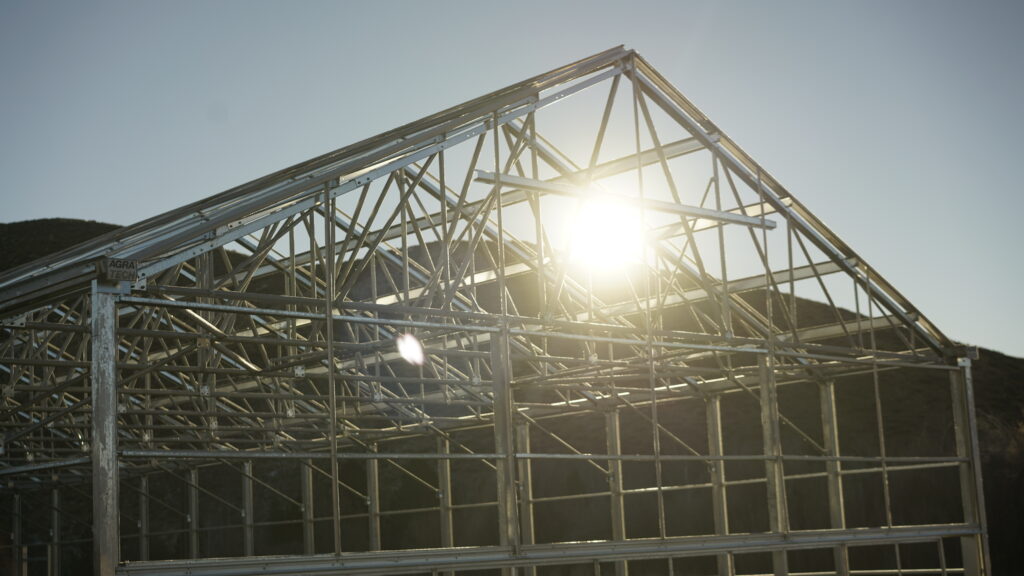
Once constraints are clear, experienced designers stop seeing features and start seeing the structure that will quietly govern everything else.
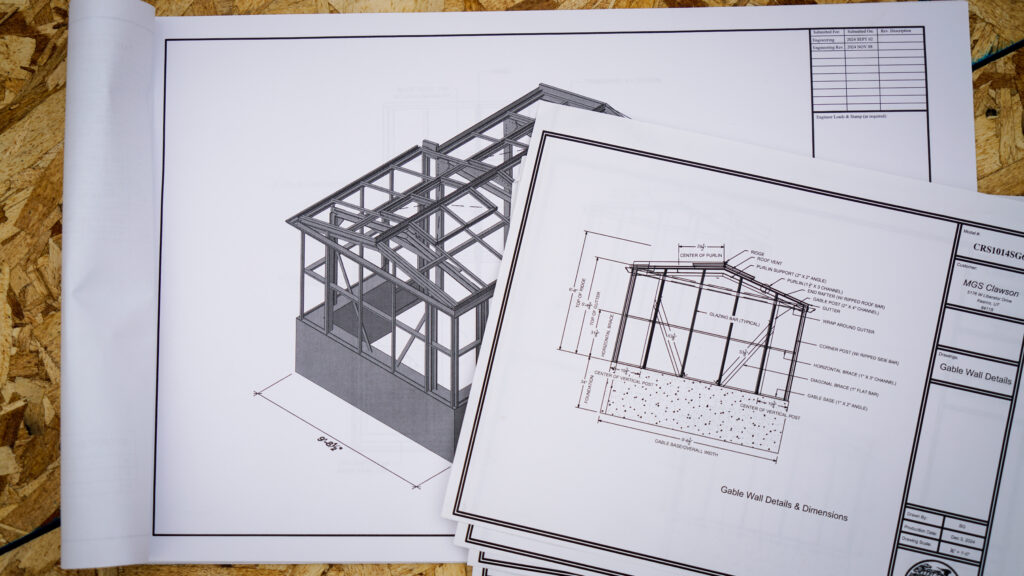
Structural decisions—span, height, load paths, column placement—are often treated as details for later. In reality, they define what is possible long before layouts or systems are considered.
Structure is not about aesthetics. It’s about establishing a reliable framework. When that framework aligns early with intent, constraints, and budget, the rest of the design becomes easier to evaluate and far less prone to friction or costly rework.
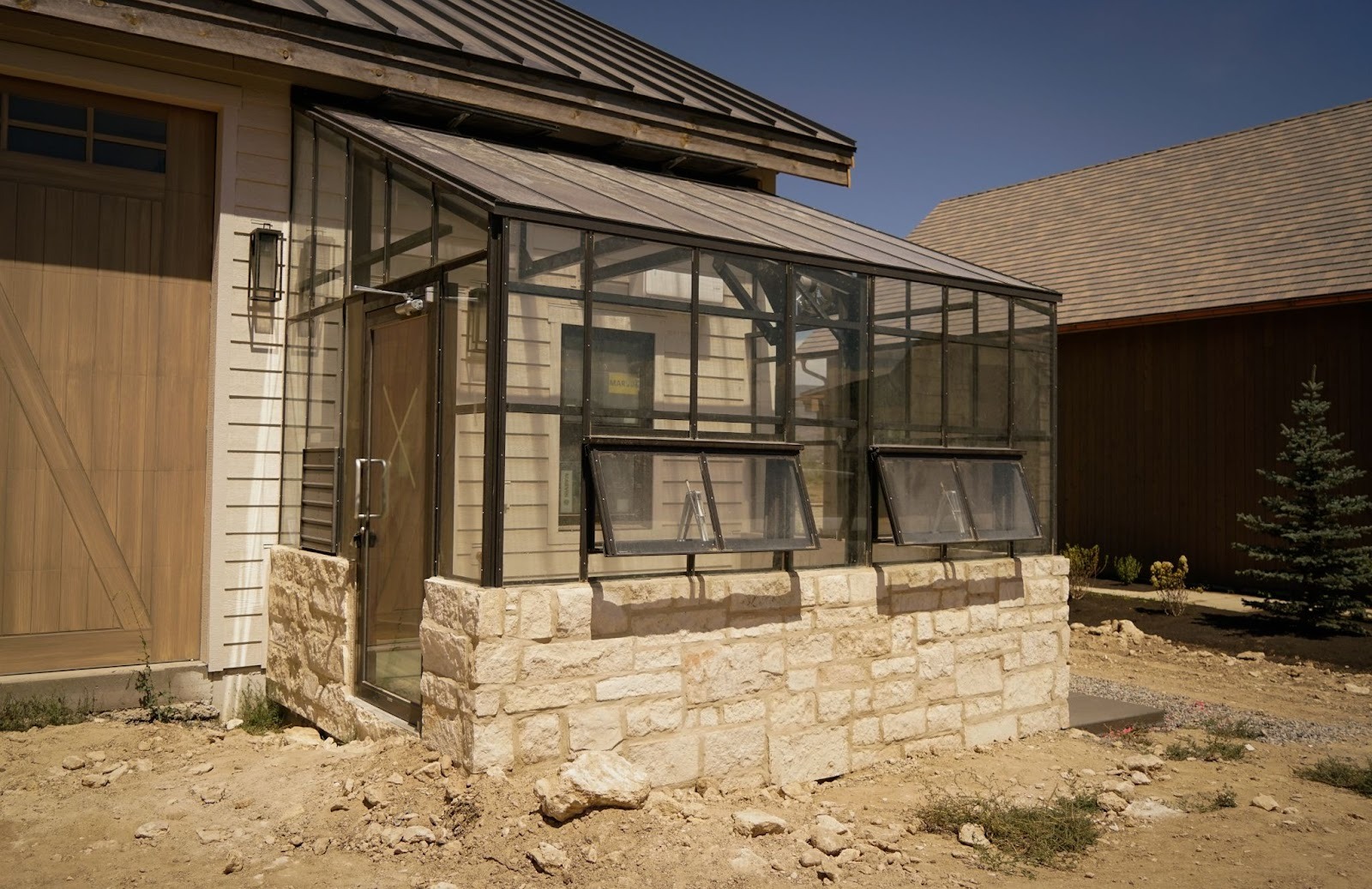
Pre-designed and manufactured kits are great because they already have the framework set. Sometimes they may require additional adaptation to fit your application. Examples of this would be: attaching to a home, strengthening for high snow load, or building on a stem wall.
The key benefit to kit greenhouses is that aesthetics and structural components are decided on together.
Making these decisions early protects flexibility instead of limiting it.
Automation, Systems, and Planning Without Paralysis
Once structure is established, attention naturally shifts to systems. This is often where anxiety increases due to the sheer volume of available technology.
Professionals avoid paralysis by focusing on capability, not brands.
Instead of asking:
- “Which system should I install?”
They ask:
- “What must this greenhouse be capable of supporting?”
Capacity, routing, access, and expansion potential must be planned early. For example, knowing you want an internal automatic shade system doesn’t require selecting the product now—but it does require structural clearances and electrical capacity to be accounted for immediately.
Good system planning ensures the structure doesn’t quietly prevent future options. It creates room for certainty later.
Working With Professionals
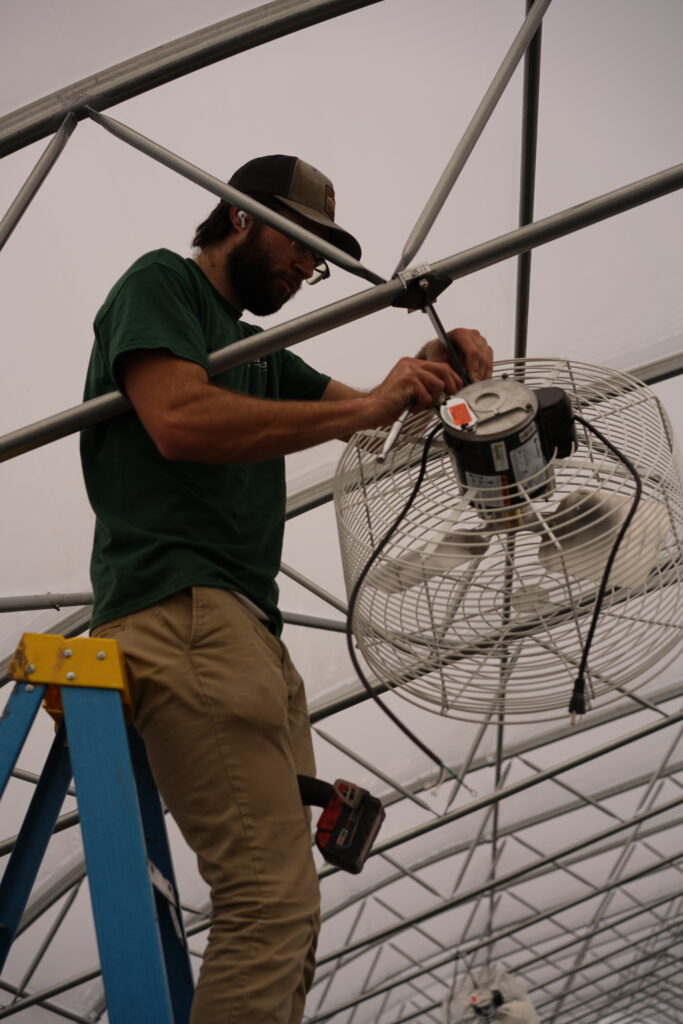
If your project involves architects, engineers, or builders, clarity of responsibility matters more than agreement.
Disagreement is rare. Unclear roles cause most problems.
Owners define intent and priorities. Designers integrate those priorities into buildable plans. Greenhouse construction/installation specialists ensure performance, safety, and compatibility.
When the greenhouse is treated as a defined, sequenced component instead of an afterthought, collaboration becomes a predictable process rather than a negotiation.
What “Ready” Actually Feels Like
Readiness is not the absence of questions.
It’s the presence of clarity and forward motion.
You can:
- Describe what success looks like for your intent
- Name the constraints that are non-negotiable
- Distinguish which decisions belong now and which can wait
Questions still exist, but they’re organized instead of overwhelming. There’s momentum without urgency.
Design Is a Process You Can Trust
Good greenhouse design isn’t a single decision. It’s a reliable process.
When you clarify intent, hold constraints, address structure honestly, and plan systems with discipline, design becomes predictable instead of fragile.
If you’ve reached this point, you’re no longer guessing.
You’re designing.
And that process creates a growing space you can enjoy.