
If you’ve been dreaming about growing fresh produce through the winter, starting your plants early in the spring, or creating a backyard space filled with greenery, you’ve probably thought about buying a greenhouse. But just thinking about buying a greenhouse begs the question:
“What greenhouse is right for me?”
It’s a good question, and one I hear a lot. The truth is there isn’t one answer that fits everyone. The right greenhouse depends on your gardening goals, your budget, your climate, and how much you want to take on in terms of building and maintaining it.
Let’s walk through some things to think about so you can choose the greenhouse that makes sense for you and avoid the common mistakes I see homeowners make.
Start With Purpose: What Will You Use It For?
Before we talk about size, materials, or cost, it helps to know what you want this greenhouse to do for you.
Some people want to grow fresh vegetables all year long. If that’s you, you will want something that can hold heat well, keep temperatures stable, and allow for good airflow.
Others are just looking for a place to start seeds a little early or to get a jump on the season. In that case, you might not need a big structure with a lot of insulation. A small, simple setup will get the job done.
Maybe you want a place to protect potted plants through the winter. A small greenhouse can work, but it will need enough space to handle whatever you plan to overwinter.
And sometimes, people just want a beautiful space to enjoy their plants, drink coffee, and be surrounded by green when it’s cold or rainy outside. In that case, style and design matter just as much as functionality.
Knowing your main goal for your greenhouse helps you narrow everything else down.
How Big Should You Go?
This is probably the number one thing people wrestle with. “I wish I had gone bigger.” Almost every greenhouse owner says something along these lines after owning a greenhouse for a while.
Plants multiply. You’ll want to try new things. And once the greenhouse is built, expanding it can be expensive or even impossible.
Smaller greenhouses, starting six by eight feet, and anything under 250 sqft, are a great place to start if you’re brand new to this. They’re affordable, easier to heat, and good for starting seeds, overwintering plants, or growing a small amount of herbs and vegetables.
Medium sized greenhouses, like 12 by 16 or around 500 sqft and under give you more flexibility. You can grow more, organize better with shelving, and even have a small space to sit and enjoy it.
Large greenhouses, anything over 600 sqft are perfect if you are serious about gardening year round. They can handle raised beds, hydroponic systems, aquaponics, and even small trees.
If budget allows, it’s often smart to go a little bigger than you think you need. You will always find a way to use the extra space.
What Material Should You Choose?
The exterior material of the greenhouse, or the glazing, is a big decision because it affects how much light comes in, how warm it stays, and how long it will last.
Glass is the classic option. It looks beautiful, lasts a long time, and lets in a lot of light. It’s also heavier, more expensive, and needs a strong frame.
Polycarbonate is one of the most popular choices today. It’s durable, holds heat well, diffuses sunlight for even plant growth, and doesn’t break like glass. It isn’t quite as clear, and over time it can scratch, but it’s a great balance of function and cost.
Film, or polyethylene plastic, is the most budget friendly. It’s light, flexible, and easy to install, but it won’t last as long. These are usually on high tunnel greenhouses. Most film coverings need to be replaced every three to five years.
The glazing material that you choose should reflect your goal for the greenhouse. For example, if you want your greenhouse to produce vegetables year-round, the best option would be polycarbonate because of its insulating properties and durability.
Other materials to consider would be your framing materials. The typical options are wood, aluminum, and steel. Sometimes people use PVC for small hobby hoop-houses, we don’t recommend this because it simply will not last long in most climates.
Here is a chart comparing the typical materials and some of their benefits and drawbacks.
Greenhouse Frame Material Comparison
| Material | Durability | Strength | UV/Weather Resistance | Sustainability | Lifespan | Aesthetic Value | Best For |
| PVC | ❌ Weak; warps, cracks | ❌ Low – bends under snow/wind | ❌ Poor; degrades quickly in sun | ❌ Petroleum-based, non-recyclable | 2–5 years | ❌ Cheap, temporary look | DIY hobby tunnels, temporary setups |
| Wood | ✅ Good with treatment | ✅ Strong; can bear loads | ⚠️ Needs sealing to prevent rot | ✅ Renewable if sourced responsibly | 10–20 years (with maintenance) | ✅ Warm, natural appearance | Residential greenhouses, aesthetic builds |
| Aluminum | ✅ Excellent; rust-proof | ⚠️ Moderate – lighter than steel | ✅ High resistance to UV & moisture | ⚠️ Energy-intensive to produce, but recyclable | 20–30+ years | ✅ Sleek, modern look | High-end residential, lean-to designs |
| Galvanized Steel | ✅ Excellent; very stable | ✅ Highest – withstands snow & wind | ✅ Resistant, but zinc coating can wear over decades | ⚠️ Recyclable but energy-intensive | 30–50+ years | ⚠️ Industrial look, can be softened with design | Large-scale commercial, long-term builds |
Think About Your Climate
Your local weather plays a big part in what greenhouse will work best.
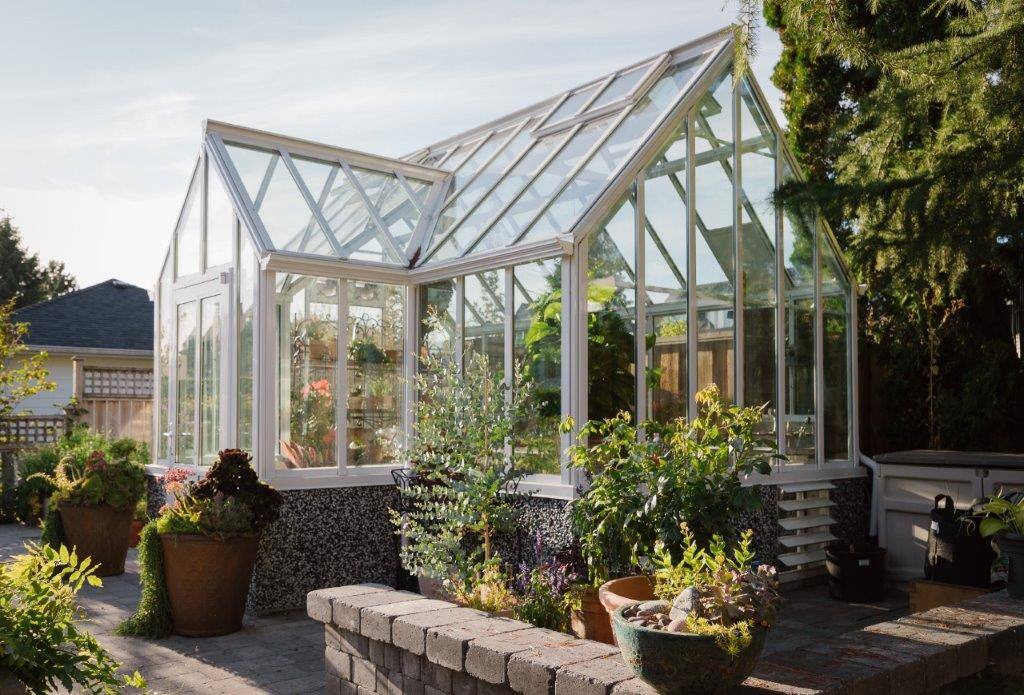
If you live where it snows, you’ll want a structure with a strong frame and a roof design that can handle weight or shed snow easily. BC Greenhouses’ has models designed to shed snow with their high pitched roofs.
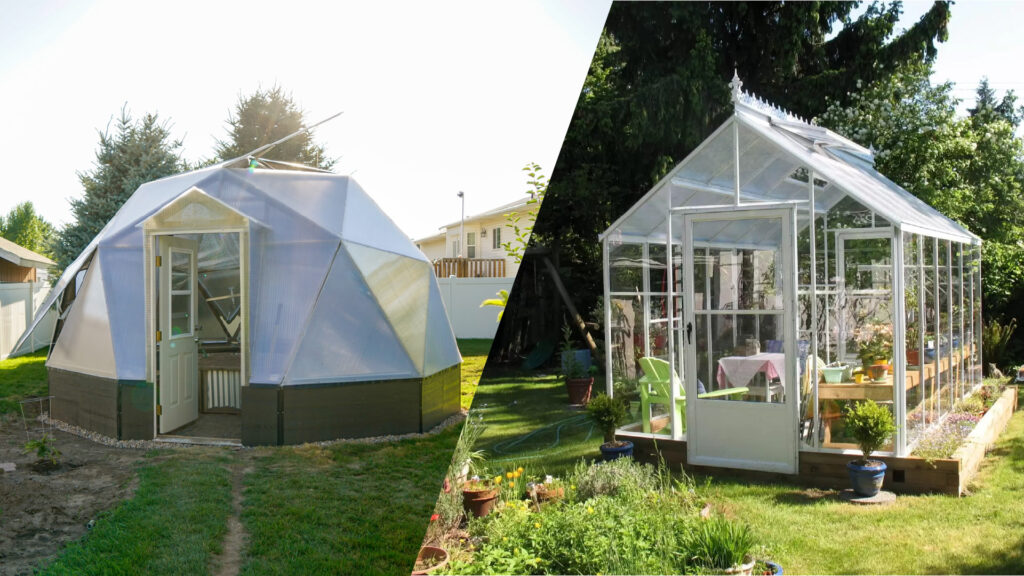
If you’re in a high wind area, anchoring and bracing become really important. Growing Spaces Growing domes are designed to withstand high winds without concrete foundations.
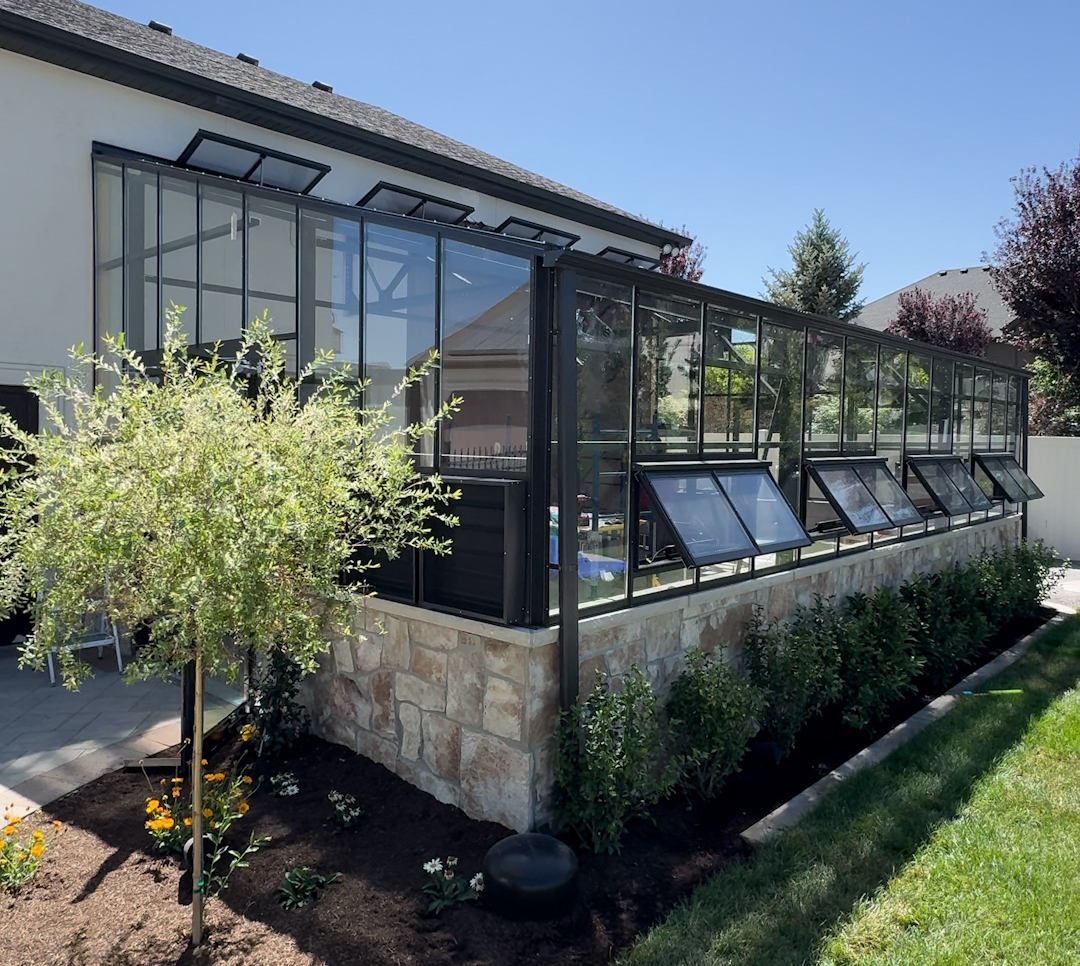
Hot climates need good shading, vents, and airflow so plants don’t overheat. Utah is a climate where these things are necessary. Most manufacturers have several options to integrate these systems into your kit.
Cold winters call for better insulation like multi-wall polycarbonate or insulated glass. They also hold up better to adverse weather conditions.
What Should You Expect to Spend?
Greenhouses come in a wide range of prices and like most everything else, you get what you pay for.
We have another blog that covers greenhouse prices in depth so we will give general information here. Click here to read the pricing blog.
Entry level kits can start around a few thousand dollars. These are good for hobby gardeners or those who want to test things out. We recommend Planta Greenhouse kits for hobby gardeners that want to get the most out of their investment.
Mid range greenhouses, which are larger and more durable, can run from $8,000 to $20,000 dollars depending on features and size. These kits would be small Growing Domes or BC Greenhouse kits that are either 3mm glass or twinwall polycarbonate.
High end or custom builds can go beyond that, ranging from $20,000 to $150k plus, especially if you want something that doubles as a garden room or home attached atrium.
These builds guarantee that you get the most bang for your buck, that’s because they will have everything they need to operate efficiently for your needs and climate.
The last thing to consider in your budget are things like a proper foundation, heating and cooling equipment, shelving, and other accessories. These can make a huge difference in how well your greenhouse performs, whether it is an entry level or high end kit.
Build It Yourself or Hire a Pro?
Many kits are advertised as DIY, and they can be if you have the time, tools, and patience. But before you embark on your greenhouse adventure solo, consider these things:.
- Do you have a level site prepared for the foundation?
- Do you have a helper who can assist with assembly?
- Are you confident in your construction capabilities to ensure your greenhouse kit will be built correctly?
- How much time do you have to dedicate to this project?
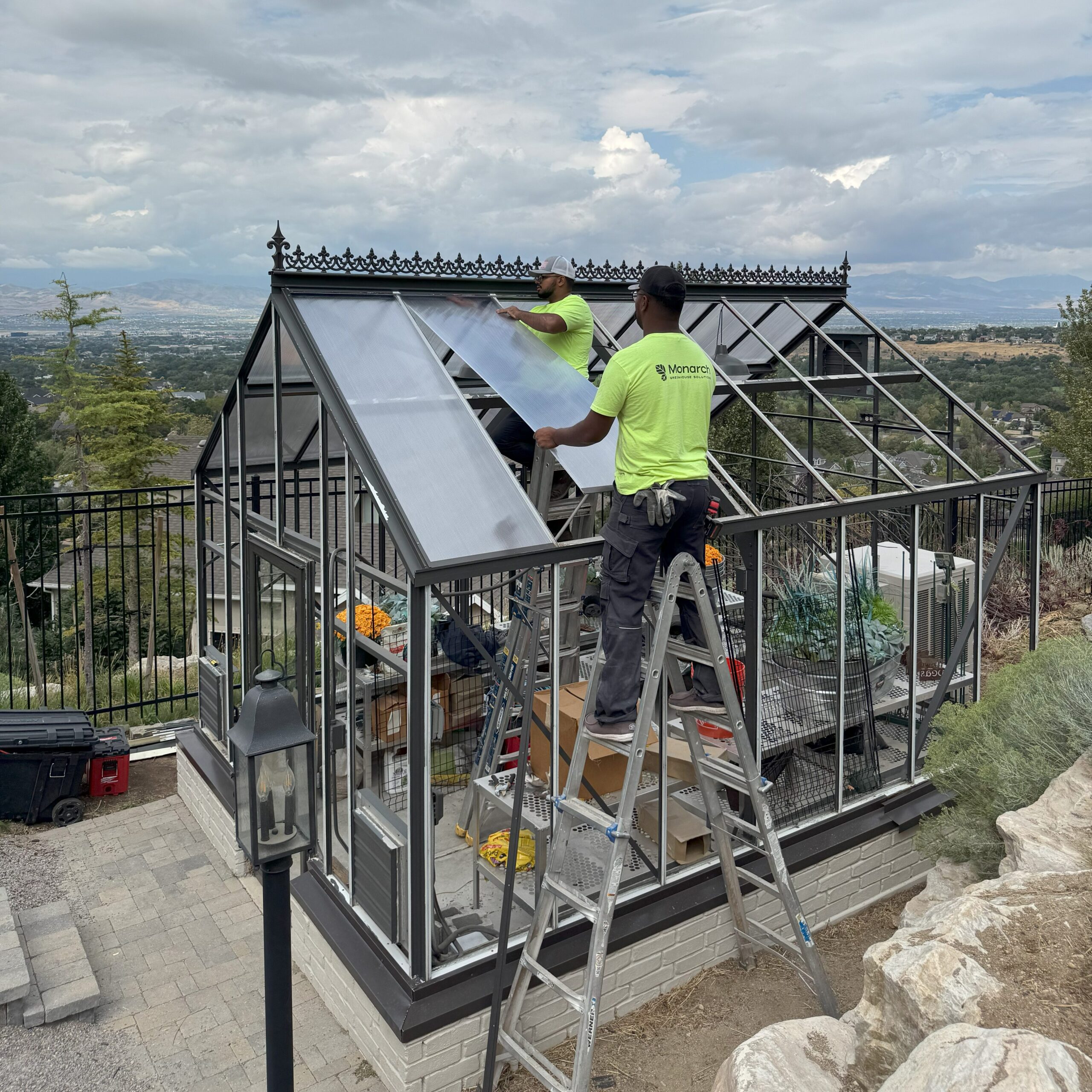
For smaller kits, DIY can be a good way to save. For larger structures or if you want peace of mind, professional installation is worth it. Our team at Monarch Greenhouse Solutions builds greenhouses from several manufacturers and makes sure everything is done right from start to finish.
Final Thoughts
The best greenhouse isn’t the biggest or the most expensive. It’s the one that fits your gardening goals, your space, your climate, and your lifestyle.
If you want help sorting through the options, that’s where we come in. At Monarch Greenhouse Solutions, we’ve built everything from simple backyard kits to full scale garden rooms. We know what works, and we can guide you toward a greenhouse you’ll love for years to come.
If you want to learn more about pricing for Greenhouse kits and installation, click here!